
Cinque Terre in a Glass: A Journey Through Vineyards, Sea and Terraces


In the Cinque Terre, wine is not just something to taste: it is a way of reading the landscape. Every row of vines tells a story of steep slopes, dry-stone walls, sea winds, sun-warmed rock and the patient work of those who continue to cultivate a fragile, vertical territory.
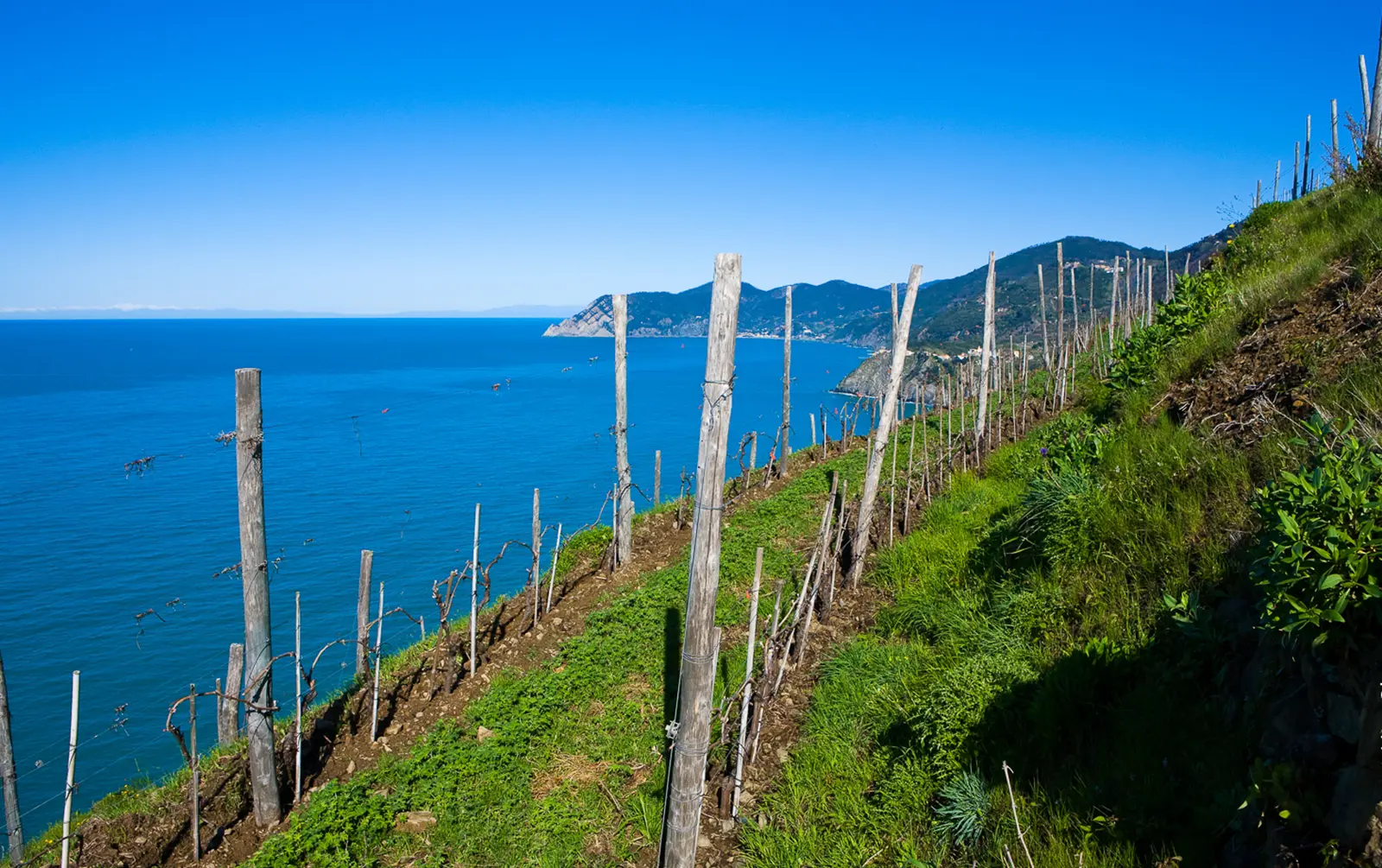
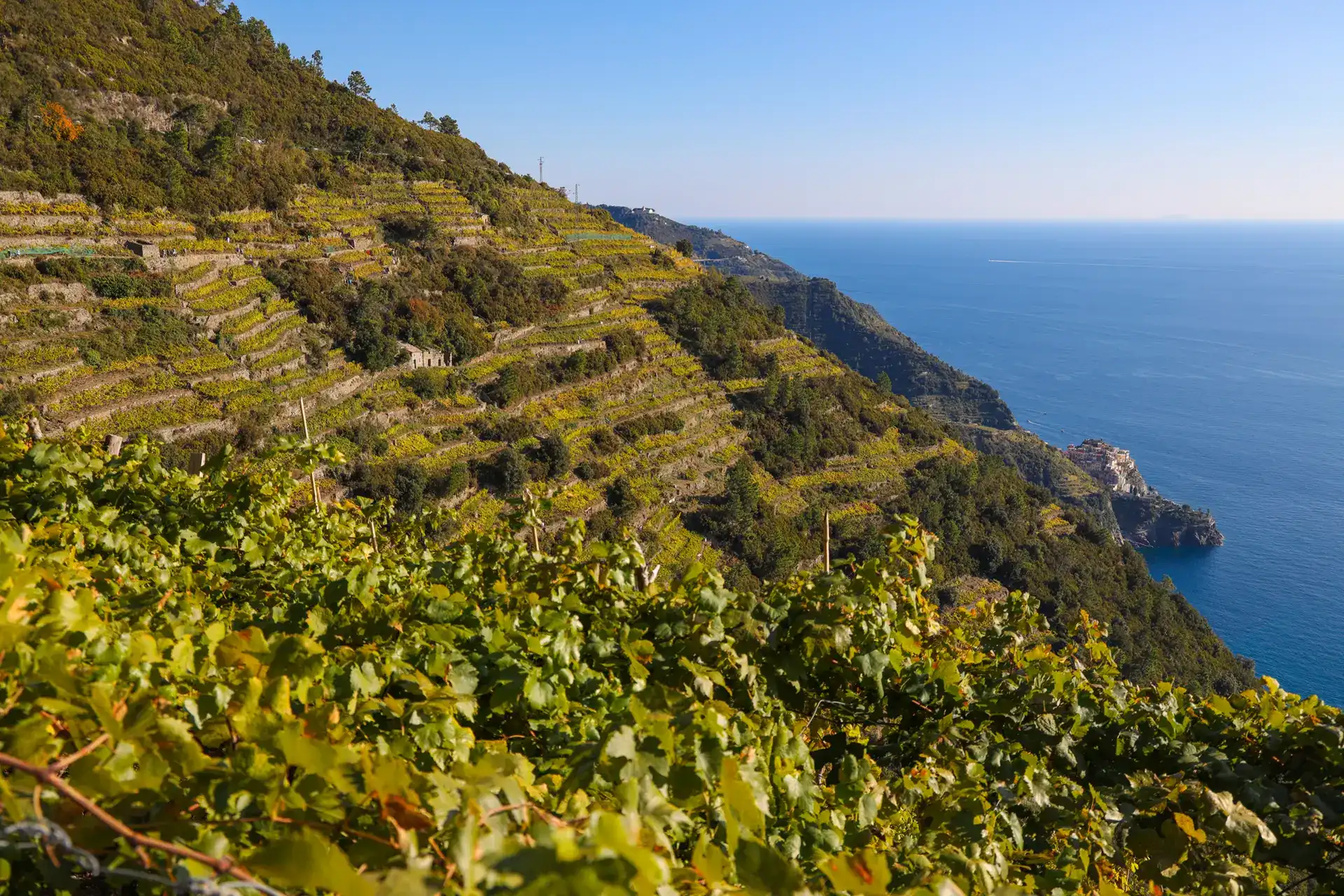
Between Riomaggiore and Manarola, looking at the terraced vineyards means entering the deepest history of the Cinque Terre. The National Park describes the relationship between landscape and wine as an essential part of local identity: terraces overlooking the sea, supported by dry-stone walls, are the visible sign of an ancient agricultural culture that transformed a steep and difficult landscape into productive land.
In this article, we guide you through the most representative wines of the area: Cinque Terre DOC, a dry and savoury white wine, and Sciacchetrà, a rare and precious passito wine, symbol of the local winemaking memory.
Wine as landscape
Before talking about wine, we need to talk about slopes.
Viticulture in the Cinque Terre was born in a place where cultivation has never been easy. The vines climb across terraced hillsides, supported by dry-stone walls and facing directly out to sea. Here, every cultivated metre is the result of a delicate balance between human work, rock, wind, sea salt and constant maintenance.
This is why Cinque Terre wine is not just a local speciality. It is part of the preservation of the landscape. Choosing these wines means supporting local traditions and helping protect a fragile ecosystem, where hillside viticulture contributes to preventing abandonment and hydrogeological instability.
Drinking a Cinque Terre wine means coming closer to a story of effort and beauty. It is not only about tasting a product, but about recognising the work that keeps one of the Mediterranean’s most iconic landscapes alive.
The grape varieties: Bosco, Albarola and Vermentino
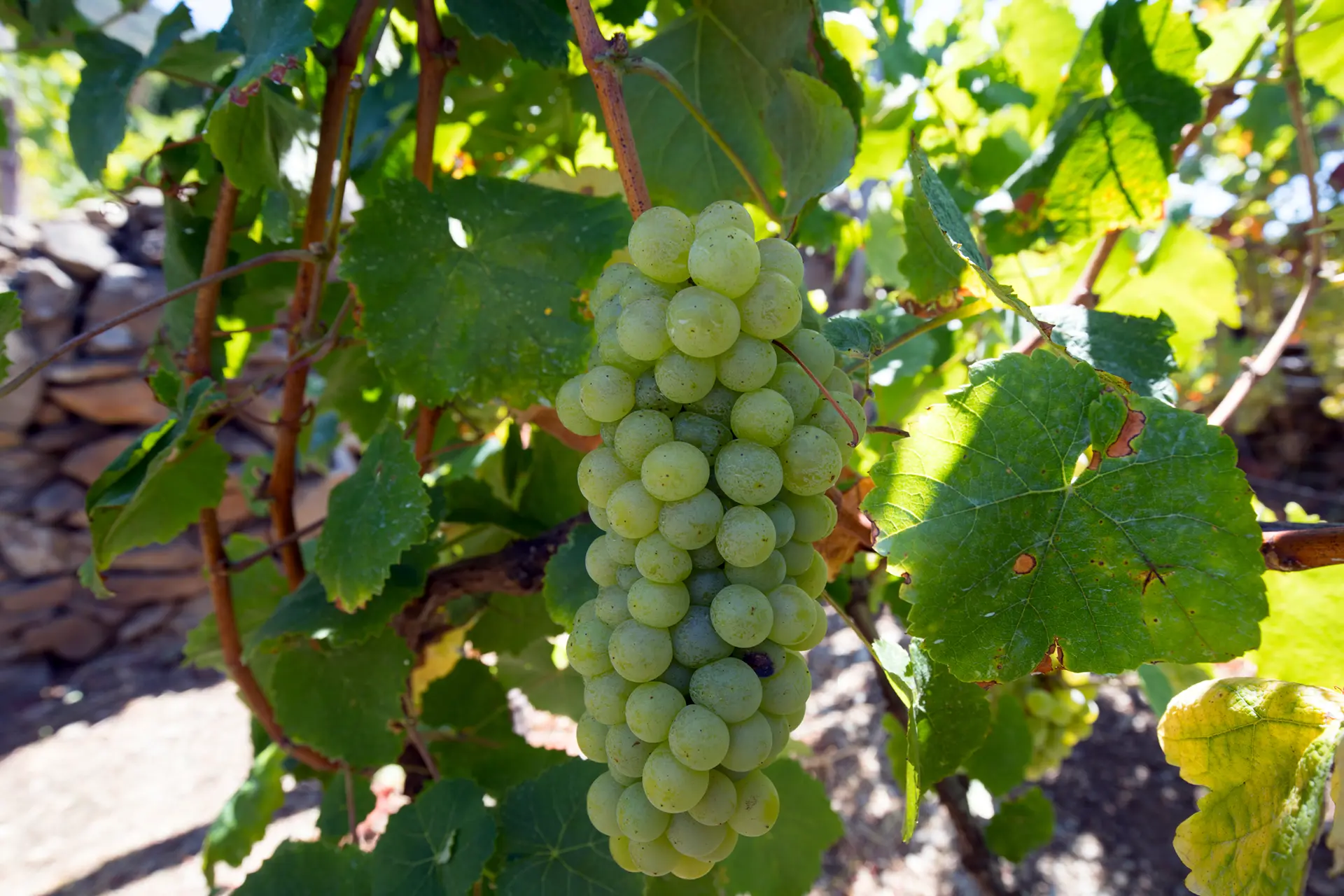
There are three names to remember: Bosco, Albarola and Vermentino.
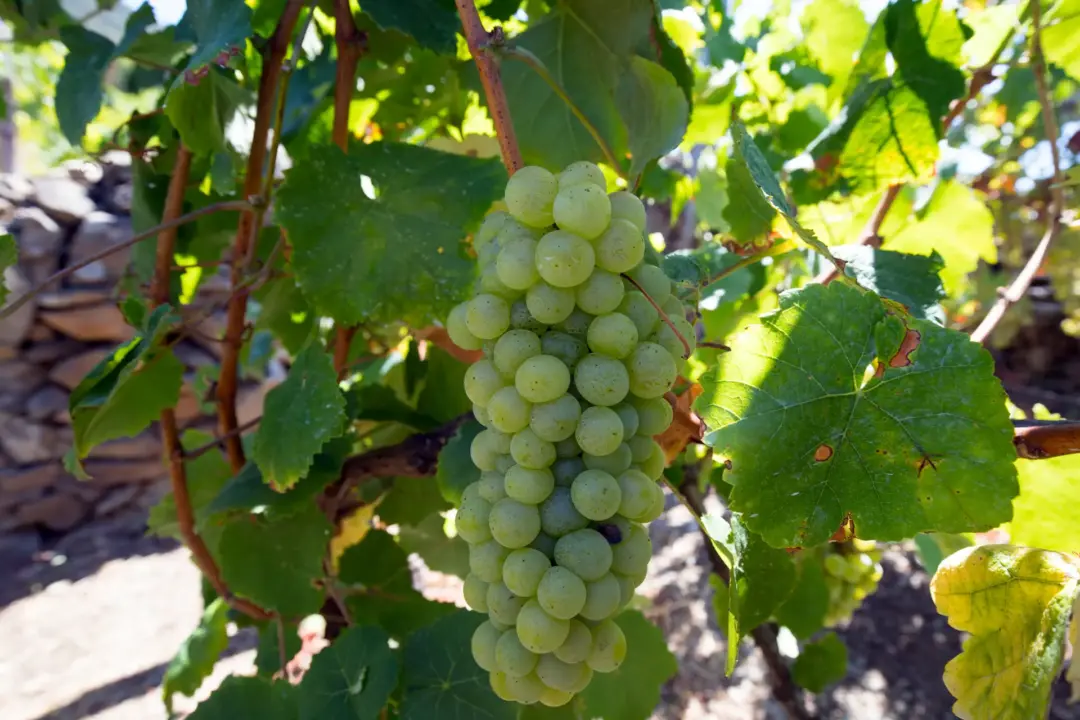
These are the grape varieties that define the identity of Cinque Terre wines. According to the production regulations, Bosco is the main grape variety and must account for at least 40% of the blend. Albarola and Vermentino may each contribute up to 40%, while other complementary grape varieties suitable for the province of La Spezia may be included up to a maximum of 20%.
Each variety expresses a different aspect of the territory:
Bosco: the most distinctive local grape, closely linked to local tradition.
Albarola: contributes freshness and finesse.
Vermentino: brings with it a broader memory of Liguria and the Mediterranean.
Together, they create white wines capable of expressing sea, rock, sunlight and terraces.
Cinque Terre DOC: the dry white wine that speaks of the sea
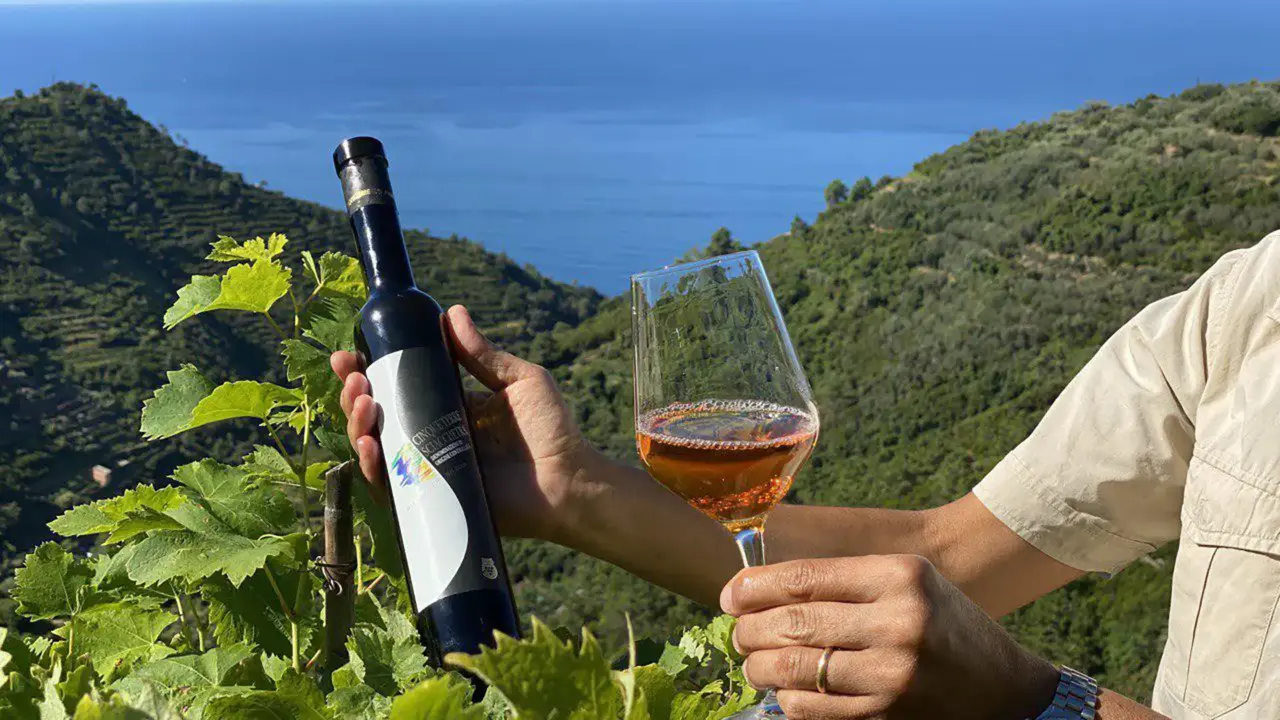
Cinque Terre DOC is the area’s most representative white wine. It comes from vineyards cultivated on hills overlooking the sea and brings the essential character of the landscape into the glass: dry, savoury, bright and ideal with the flavours of Ligurian coastal cuisine.
It is a wine to imagine with simple dishes: anchovies, fish, focaccia, vegetables, pesto and savoury pies. It does not need special effects, because its value lies precisely in its relationship with the place it comes from.
Why taste it
Because it is the everyday, territorial wine of the Cinque Terre: the one that most naturally accompanies a day spent between villages, sea and trails.
How to experience it during your trip
Look for it in a wine shop, a trattoria or during a guided tasting. The best way to understand it is to taste it after walking among the terraces or observing the rows of vines from the hills above Riomaggiore and Manarola.
Sciacchetrà: the wine of memory
Sciacchetrà is the most symbolic and precious wine of the Cinque Terre. It is a sweet, intense passito wine produced from Bosco, Albarola and Vermentino grapes, which are left to dry before vinification.
Unlike Cinque Terre DOC, which is easier to pair with a meal, Sciacchetrà is a wine for slow tasting. It has a more intimate, almost contemplative character: it speaks of waiting, selection, drying, manual gestures and special occasions.
The production regulations require Sciacchetrà to be made from grapes that undergo partial drying after harvest, in suitable and ventilated spaces. Vinification cannot begin before 1 November of the harvest year, and the wine can only be released after a minimum maturation period.
Why taste it
Because it is one of the most distinctive products of the Cinque Terre. It is not simply a sweet wine: it is a concentration of landscape, time and tradition.
How to experience it during your trip
Look for it during a guided tasting, where you can discover the grape-drying process and its connection with the terraced landscape. It is a wine to understand slowly, not to drink absent-mindedly.
Where to experience wine between Riomaggiore and Manarola
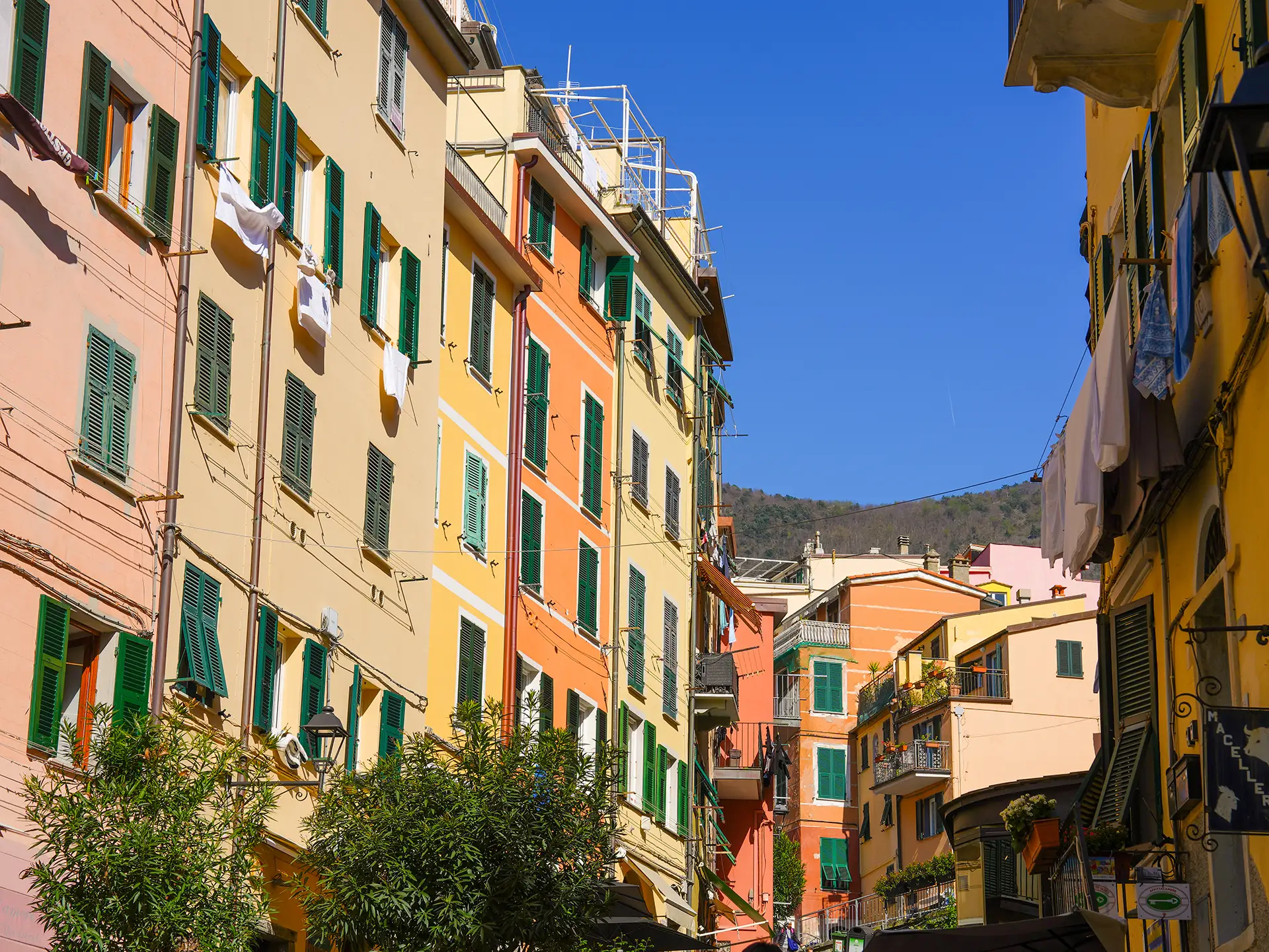
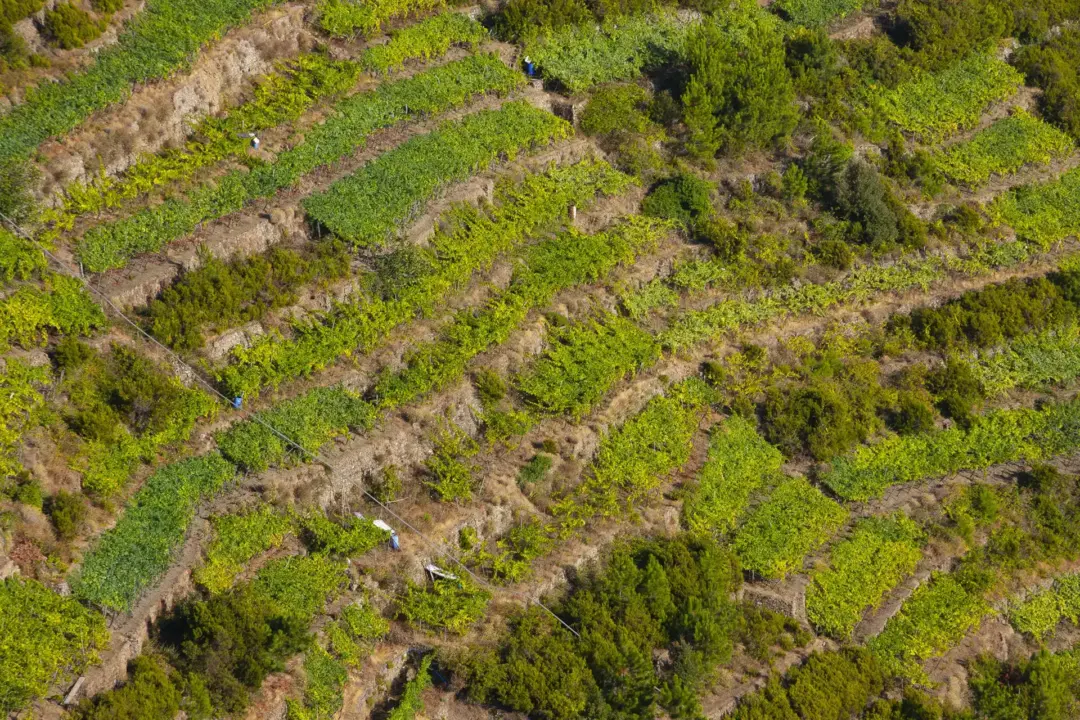
Between Riomaggiore, Manarola, Groppo and Volastra, wine can be discovered in many different ways:
- through a tasting in a winery or wine shop;
- by choosing a restaurant that celebrates local wines;
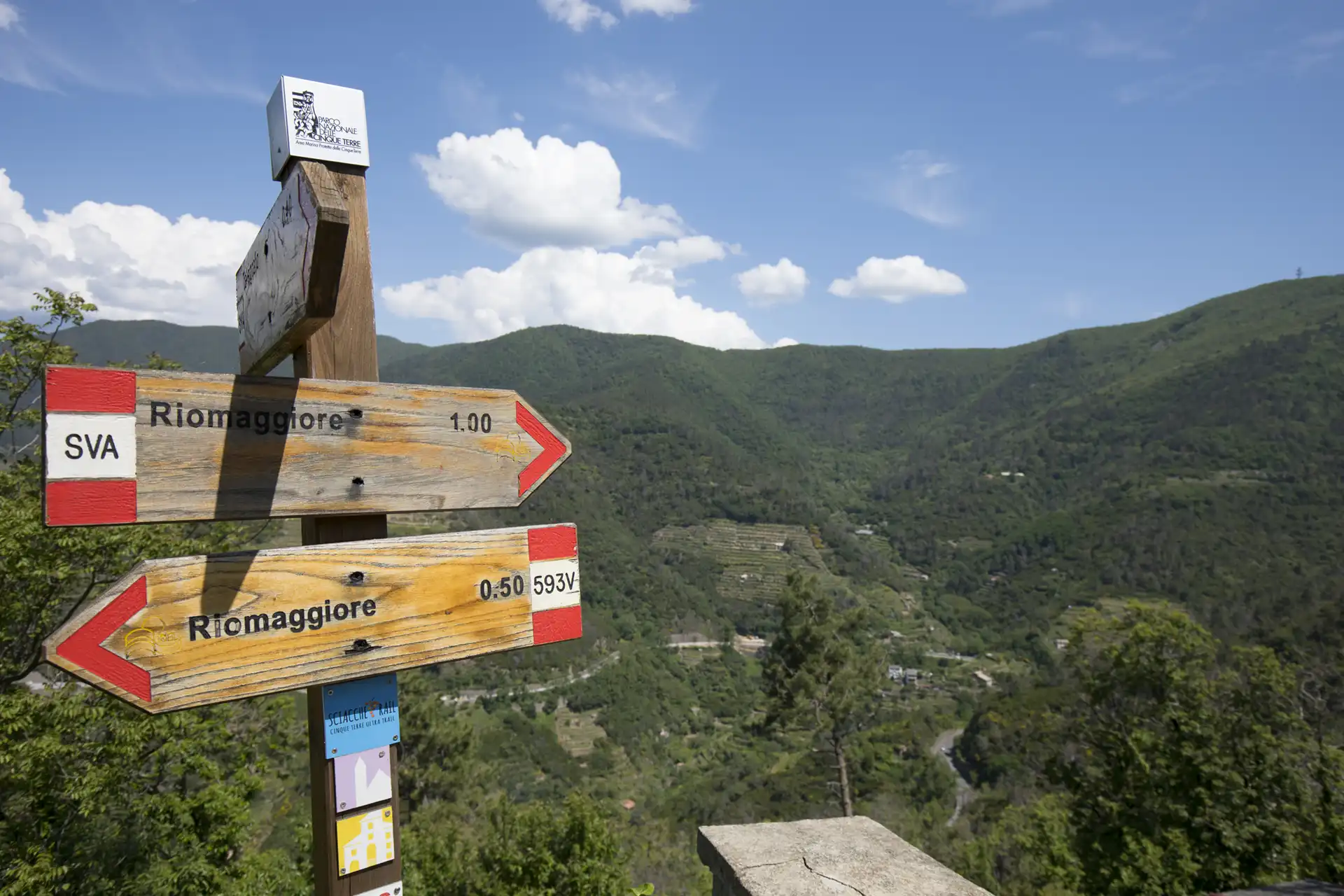
- by walking along a trail through the terraces;
- by visiting hillside hamlets linked to agricultural tradition;
- by observing the vineyards from above before tasting the result in the glass.
Groppo and Volastra, in particular, help shift your gaze from the coast to the agricultural landscape. These are places where wine stops being just something to order and becomes part of a wider system: land, walls, trails, families, effort and care.
For those who want to connect wine with walking, one of the most interesting options is the Terraced Vineyards Itinerary [insert internal link to trail page]. This official National Park route passes through places such as Riomaggiore, Costa Corniolo, Manarola, Piè di Fiesse, Groppo, Volastra and Corniglia: some of the most representative areas of the agricultural landscape between sea and hillside.
What to taste with the wines
Cinque Terre DOC pairs naturally with the simple flavours of Ligurian cuisine: fish, anchovies, focaccia, vegetables, pesto and seafood dishes. Sciacchetrà, on the other hand, deserves a different rhythm: it can accompany dry pastries or cheeses, or be enjoyed on its own as a meditation wine.
To complete your food and wine itinerary between Riomaggiore and Manarola, read our article on local products [internal link].
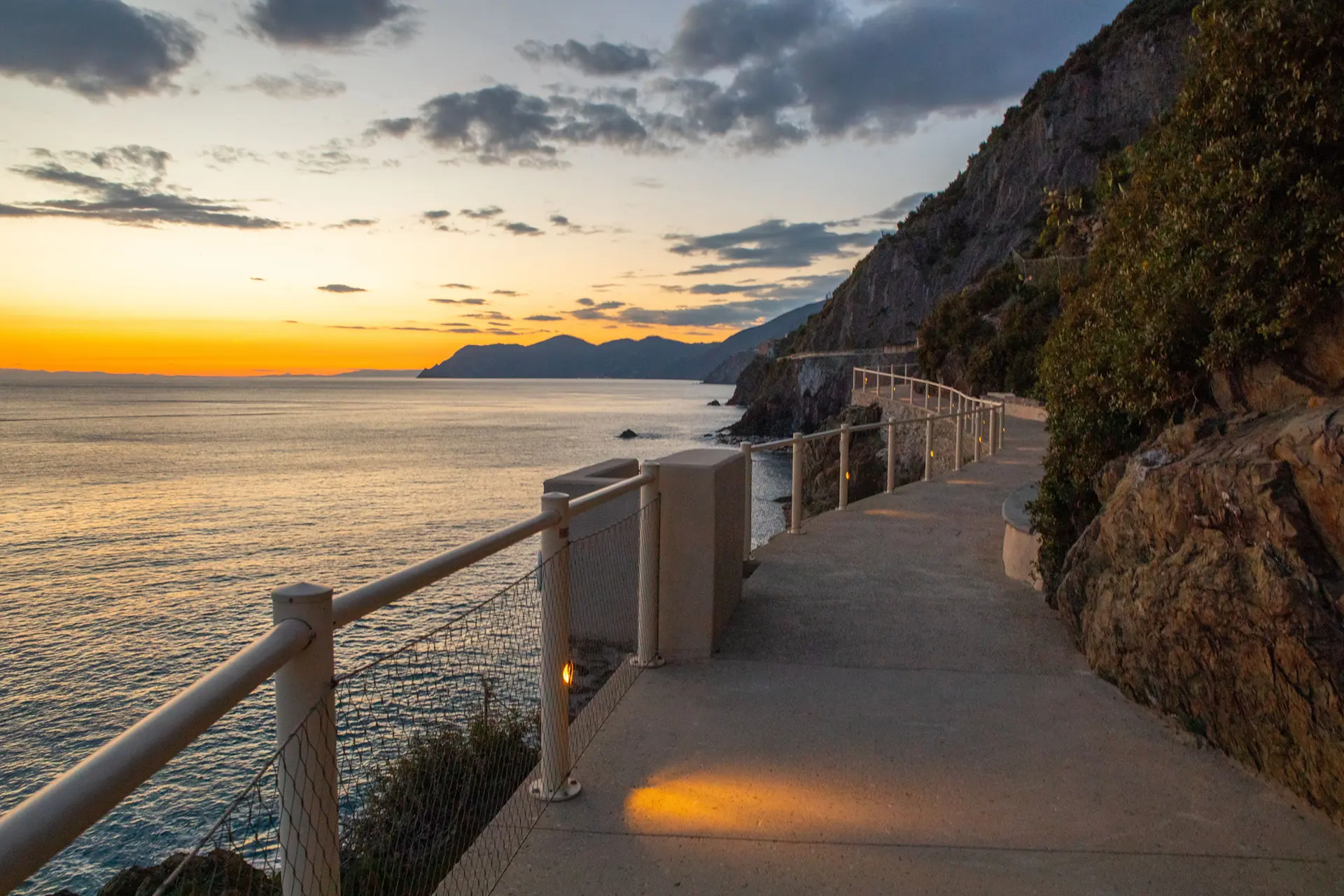
Cinque Terre wine cannot truly be understood if it remains closed inside the glass. You need to look at the dry-stone walls, climb towards the vineyards, feel the wind and observe how little space there is between rock and sea.
Cinque Terre DOC expresses the fresher, savoury and more everyday side of the territory. Sciacchetrà preserves its rarer, slower and more precious soul. Both speak of the same thing: a difficult, beautiful and fragile landscape that continues to live thanks also to those who cultivate it.
Tasting them means taking away much more than a flavour. It means recognising, in a glass, the vertical history of the Cinque Terre.
Discover tastings, wineries, and local wine shops.