
Wine Tasting: A Sip of Heroic Winemaking


Some experiences do more than tell the story of a place: they let you taste it.
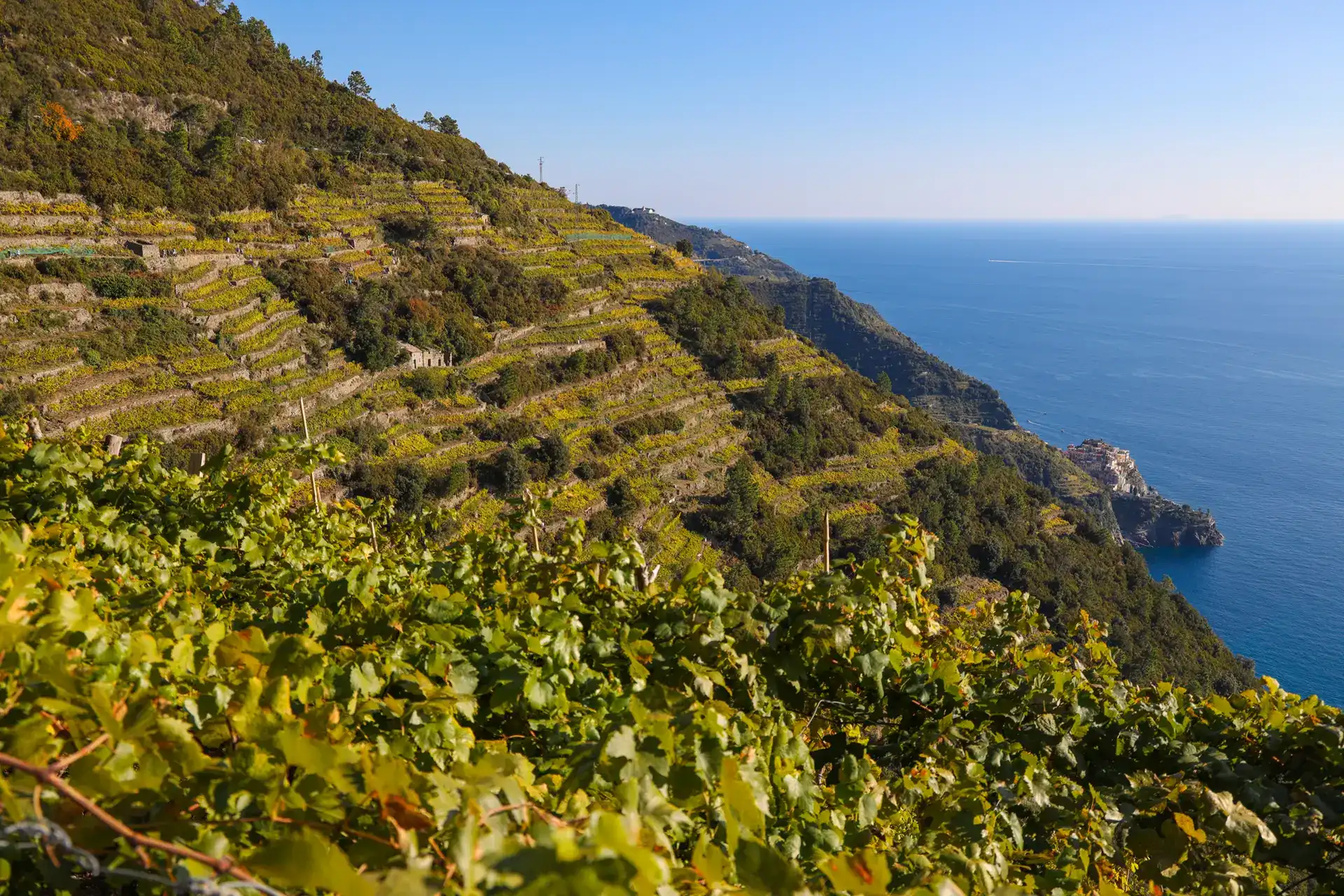
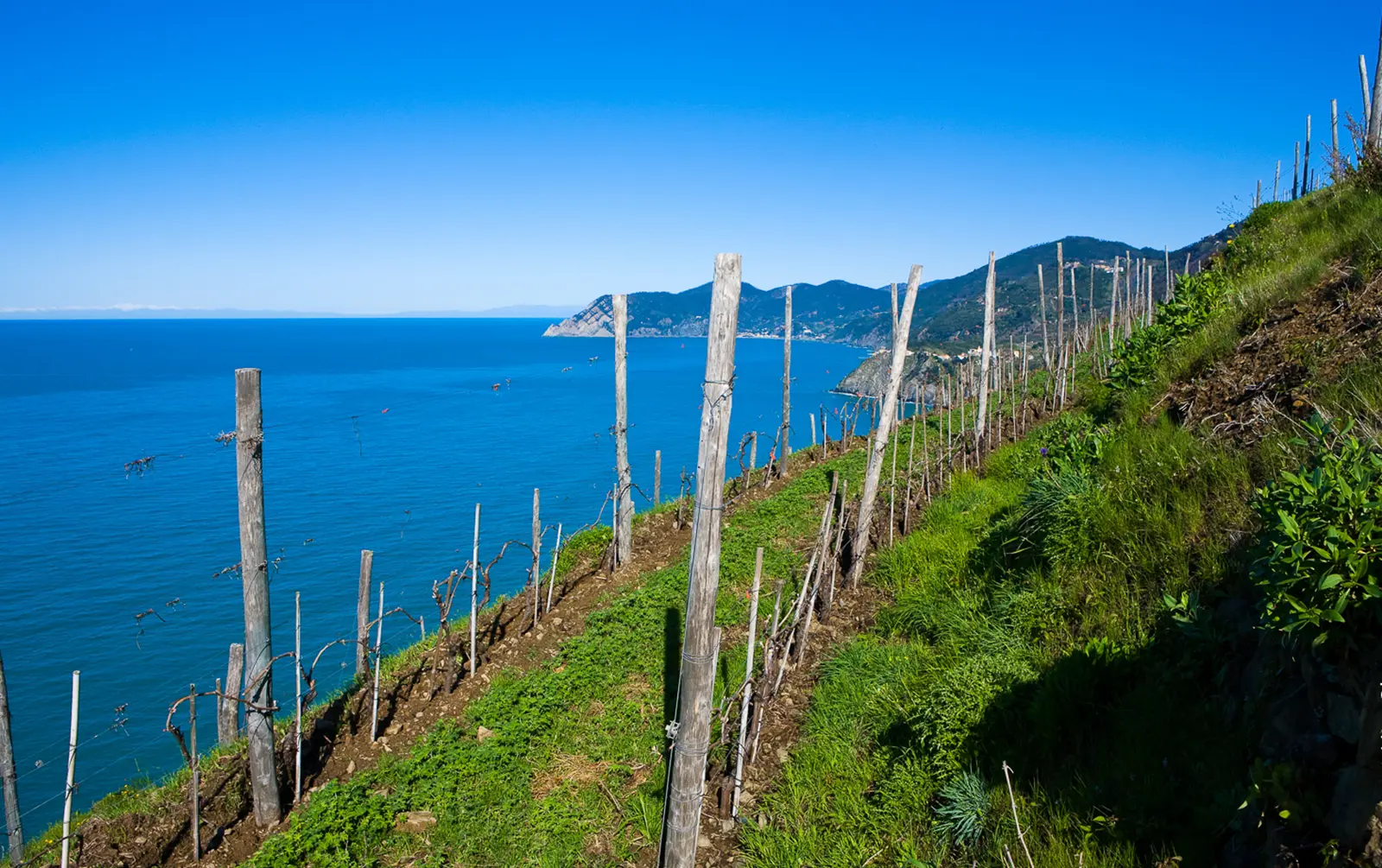
In Riomaggiore and Manarola, wine is not just something poured into a glass. It is the result of a vertical landscape made of terraced vineyards, dry-stone walls, steep slopes, sea winds and patient work. Every sip carries a part of the Cinque Terre with it: the rock, the salt air, the sun, the effort of vineyards cultivated by hand and the memory of an agricultural tradition that continues to shape the territory.
A tasting of local wines is therefore much more than a food and wine break. It is a way to understand why this landscape is so special and fragile, and why viticulture here is often described as “heroic”.
Why choose a wine tasting in the Cinque Terre
Behind the villages, the terraces are not just a scenic backdrop: they are the structure of the landscape itself. Vines grow on narrow strips of land, supported by dry-stone walls and facing the sea, in a delicate balance that requires constant care.
Wine is a true part of landscape protection. Choosing local wines means supporting traditions and contributing to the preservation of a fragile ecosystem, where hillside viticulture helps prevent abandonment and hydrogeological instability.
This is why a tasting here has a different meaning compared with many other wine regions. It is not only about tasting, but about meeting the work that keeps the terraces alive and the people who preserve a complex, demanding and deeply distinctive tradition.
What you will taste
The two names to remember are Cinque Terre DOC and Sciacchetrà.
Cinque Terre DOC
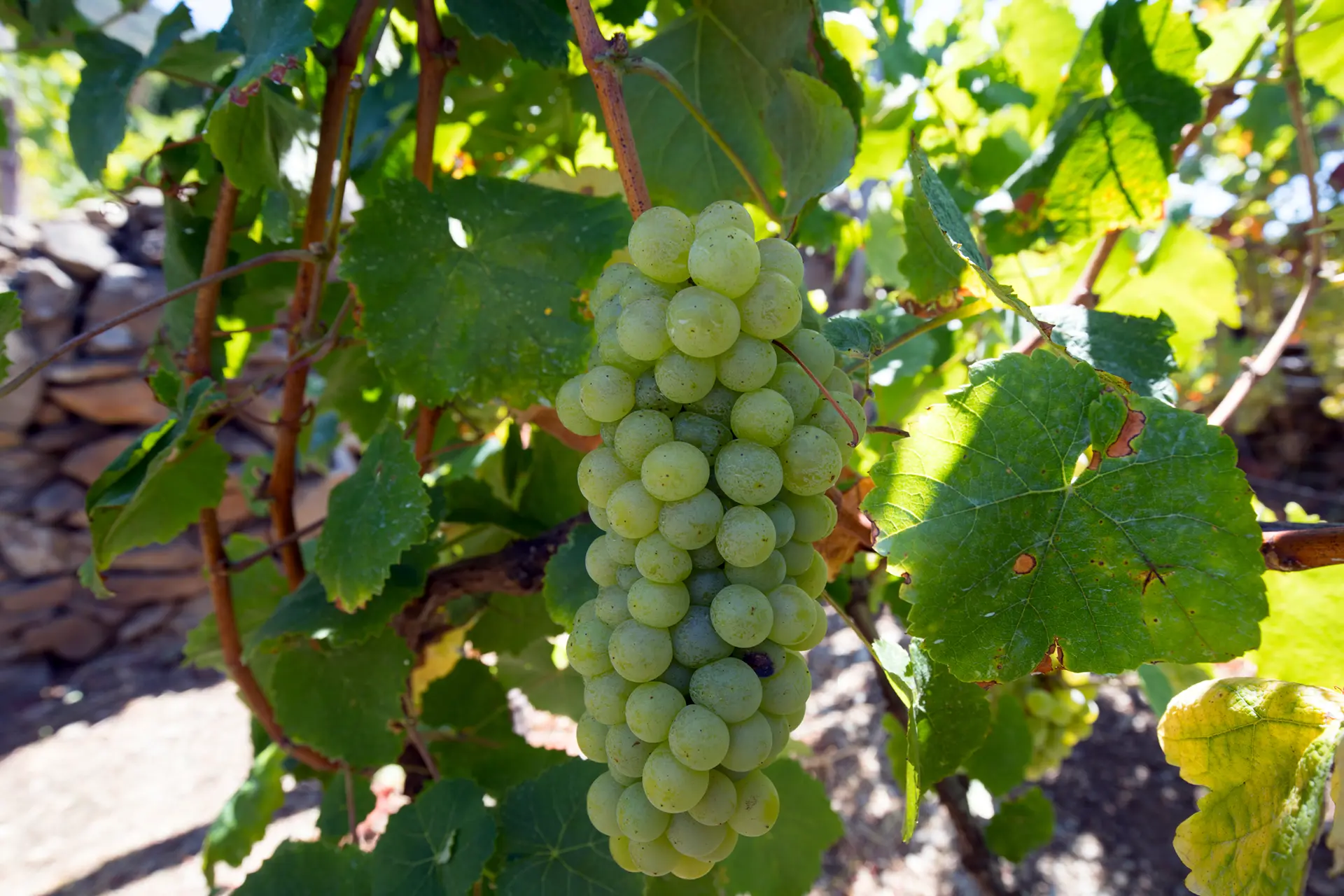
Cinque Terre DOC is the area’s most representative dry white wine. It is made from the traditional grape varieties of the denomination, especially Bosco, Albarola and Vermentino. According to the production regulations, Bosco is the main grape variety and must account for at least 40% of the blend, with Albarola and Vermentino each contributing up to 40%, and other complementary varieties up to 20%.
It is the wine that most naturally accompanies Ligurian coastal cuisine: fish, anchovies, focaccia, pesto, vegetables and simple dishes.
Sciacchetrà
Sciacchetrà is the most precious and symbolic wine of the Cinque Terre. It is a sweet, intense passito wine produced from Bosco, Albarola and Vermentino grapes, which are left to dry before vinification.
Unlike Cinque Terre DOC, Sciacchetrà is not a wine to drink absent-mindedly. It is a slow, intense tasting experience, linked to local memory and special occasions. It speaks of waiting, the time required for drying, the selection of grapes and artisanal care.
Where to experience it
Between Riomaggiore, Manarola, Groppo and Volastra, wine can be discovered in different ways.
You can choose a tasting in a wine shop: a simple and accessible option, perfect if you want to approach local wines without planning a longer experience. Or you can look for a winery or farm, where the story of wine becomes more direct and is often intertwined with the terraces, the harvest and the work carried out on the slopes.
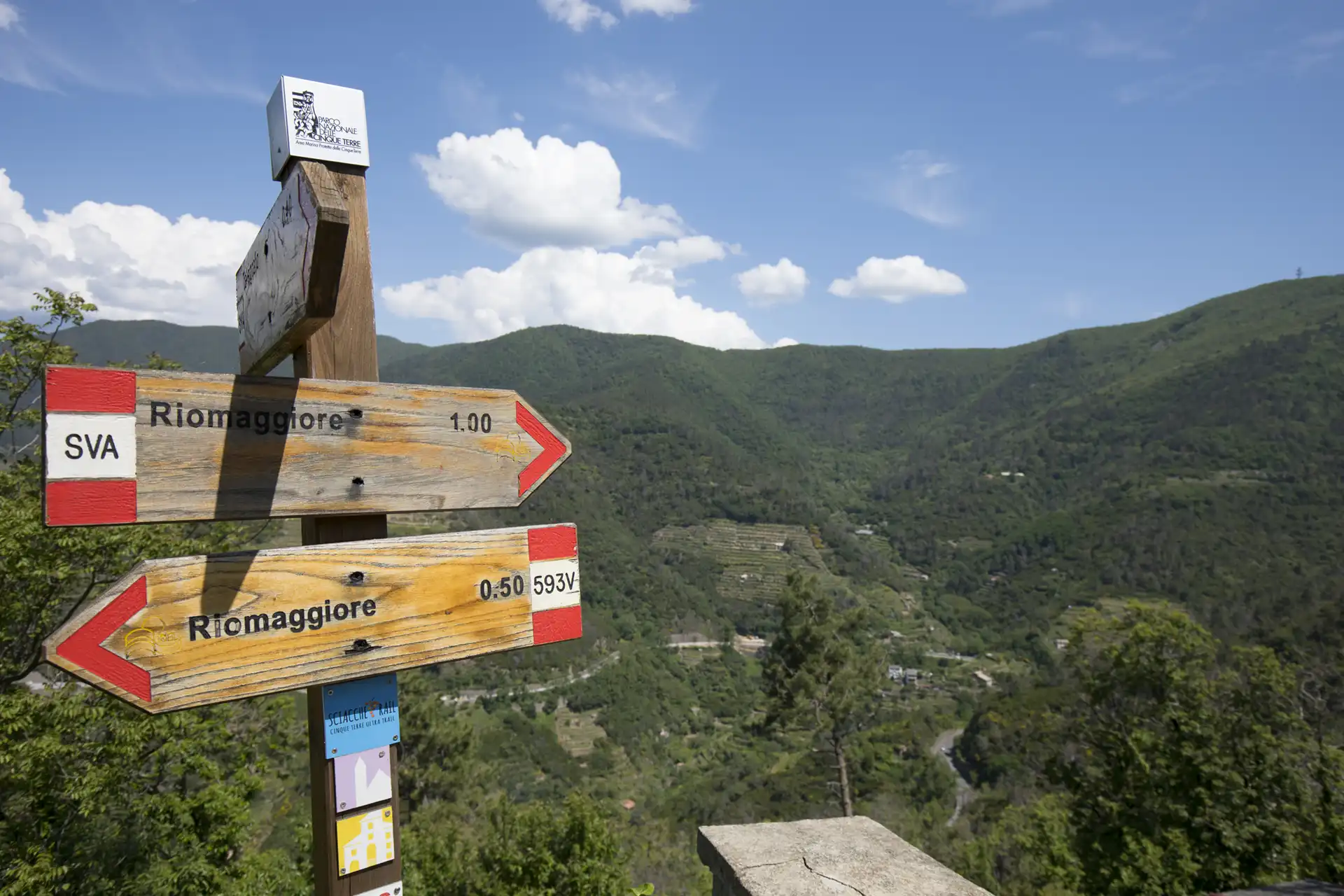
Groppo and Volastra are particularly interesting because they shift your gaze from the coast to the agricultural landscape. Here, wine is no longer just something to order, but becomes part of a system made of trails, vineyards, sanctuaries, dry-stone walls and small rural settlements.
The best time
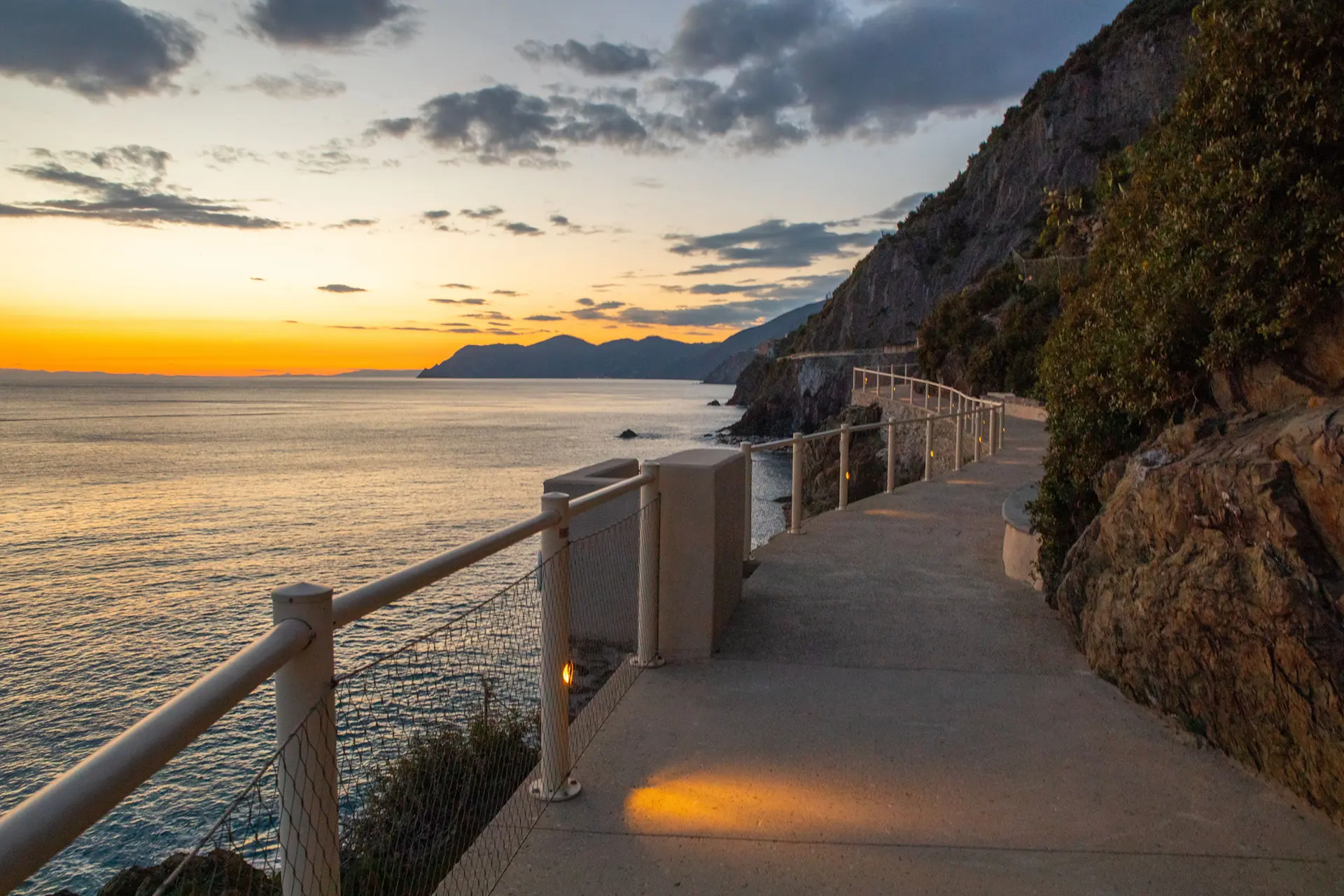
A wine tasting can be enjoyed at different times of day, but late afternoon is perhaps the most evocative.
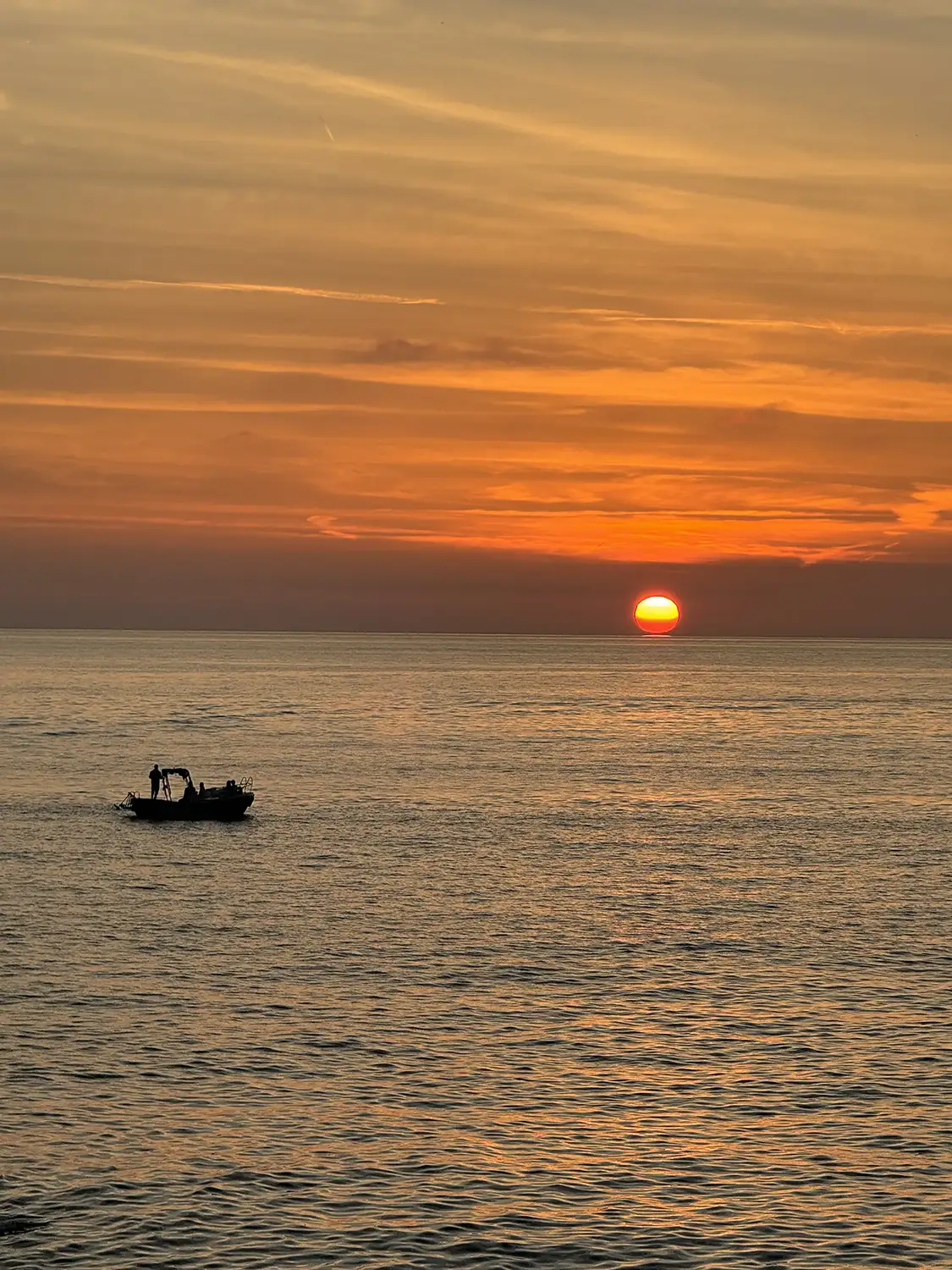
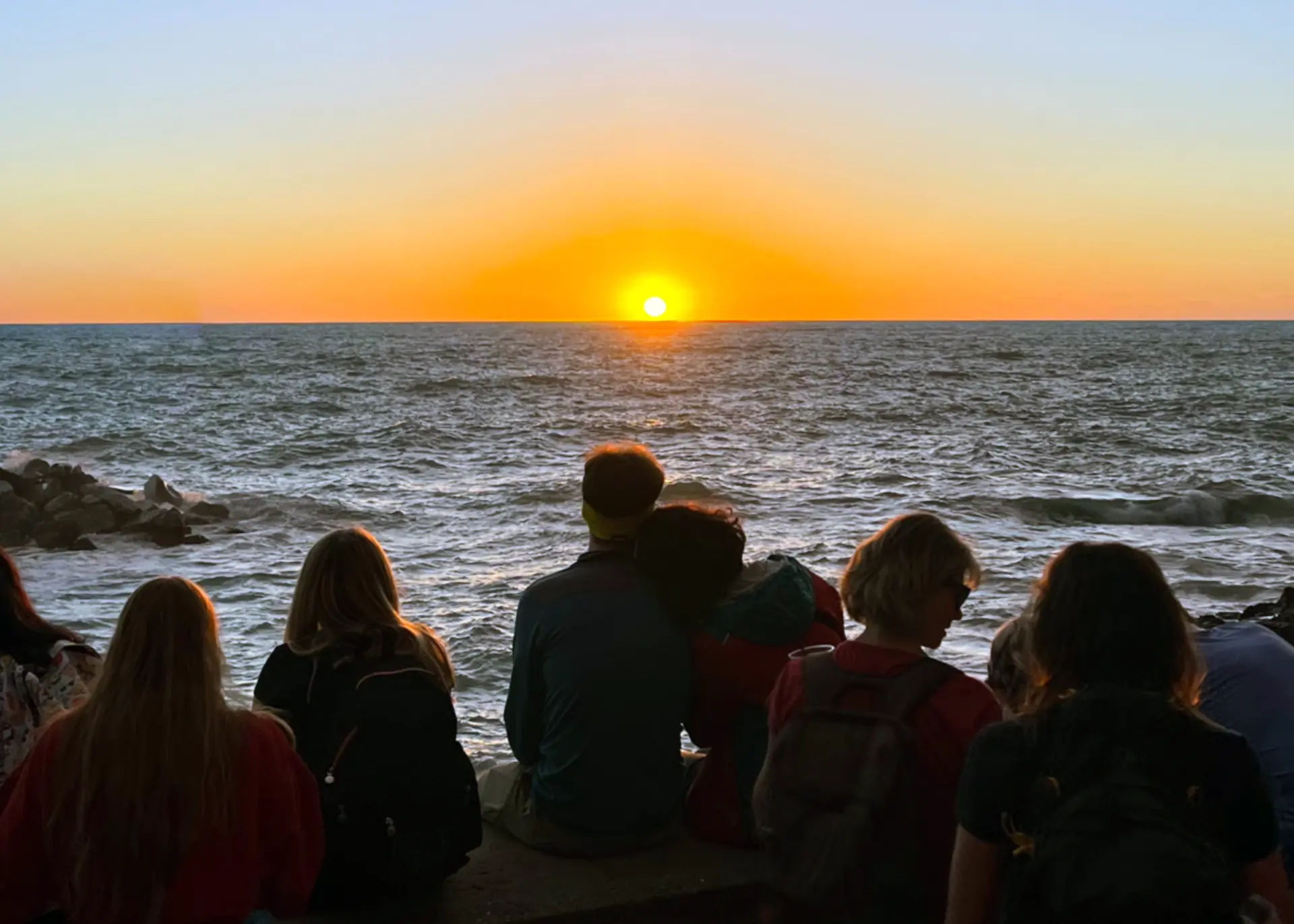
After a walk, a visit to the villages or a day by the sea, wine becomes a natural way to slow down. The light softens, the terraces change colour and the landscape seems to prepare for evening. If the experience includes a view over the vineyards or the sea, sunset can turn the tasting into one of the strongest memories of the trip.
A midday tasting can also work well, especially when paired with local products, but the best advice is not to fit it too hurriedly between one activity and another. Cinque Terre wine deserves time: not only to be tasted, but to be told.
What makes a good tasting?
An interesting tasting is not necessarily the one with the most glasses. It is the one that succeeds in connecting wine to place.
The ideal experience should include:
- an introduction to the local grape varieties;
- a tasting of Cinque Terre DOC;
- a tasting of Sciacchetrà, if available;
- a pairing with local products;
- a story about the terraces and heroic viticulture;
- a reference to agricultural work and landscape maintenance.
The greatest value lies in understanding what is behind the glass: why the vineyards are arranged in that way, how people work on the slopes, how important the maintenance of dry-stone walls is, and why some productions are limited and precious.
And after the tasting? A dinner in Riomaggiore or Manarola allows you to continue the story through food: anchovies, fish, pesto, focaccia, vegetables and simple dishes are excellent pairings for the local white wines.
Spending the night in the villages makes the whole experience slower. You do not have to rush back to the train after the tasting: you can stop for dinner, wander through the lanes in the evening and experience the village when its rhythm becomes quieter.
Who this experience is for
A wine tasting is perfect if you love:
Agricultural landscapes: because it helps you understand the role of terraces and dry-stone walls.
Wine and traditions: because it combines tasting, storytelling and local memory.
Slow experiences: because it invites you to stop, listen, observe and not consume the journey too quickly.
Authentic encounters: because the value of the experience often lies in the words of those who produce, serve or tell the story of the wine.
Couples or small groups: because it is an intimate, convivial activity, best enjoyed slowly.
Practical tips
Book in advance, especially in high season or if you want to join tastings and small-group experiences.
If the experience includes a visit to the vineyards, choose comfortable shoes: elevation changes, stairways and trails may be part of the route. Bring a light jacket if the tasting takes place in the late afternoon or at higher altitude, as the breeze can be noticeable even in summer.
If you choose a wine shop or a tasting in the village, pair it with a walk before or after. Wine is easier to understand when you have just seen the terraces, the sea and the verticality of the landscape.
And, of course, taste slowly: the point is not to drink more, but to drink better.
Joining a local tasting can also be a gesture of responsible tourism.
Supporting wineries, farms and wine shops that care for the territory means helping to keep alive a landscape that requires maintenance, attention and human presence. In the Cinque Terre, wine is not separate from the preservation of the terraces: on the contrary, it is one of the ways in which the landscape continues to be inhabited and cared for.
Choosing respectful experiences, listening to those who live in the territory and buying local products when possible helps turn your visit into something more conscious.
A wine tasting in Riomaggiore and Manarola is one of the deepest ways to understand the Cinque Terre. It is not just a moment to add to your trip, but a key to reading it better.