
Getting Lost Among Villages and Hamlets: The Slow Rhythm of Local Life


Riomaggiore and Manarola cannot truly be discovered only from a distance.
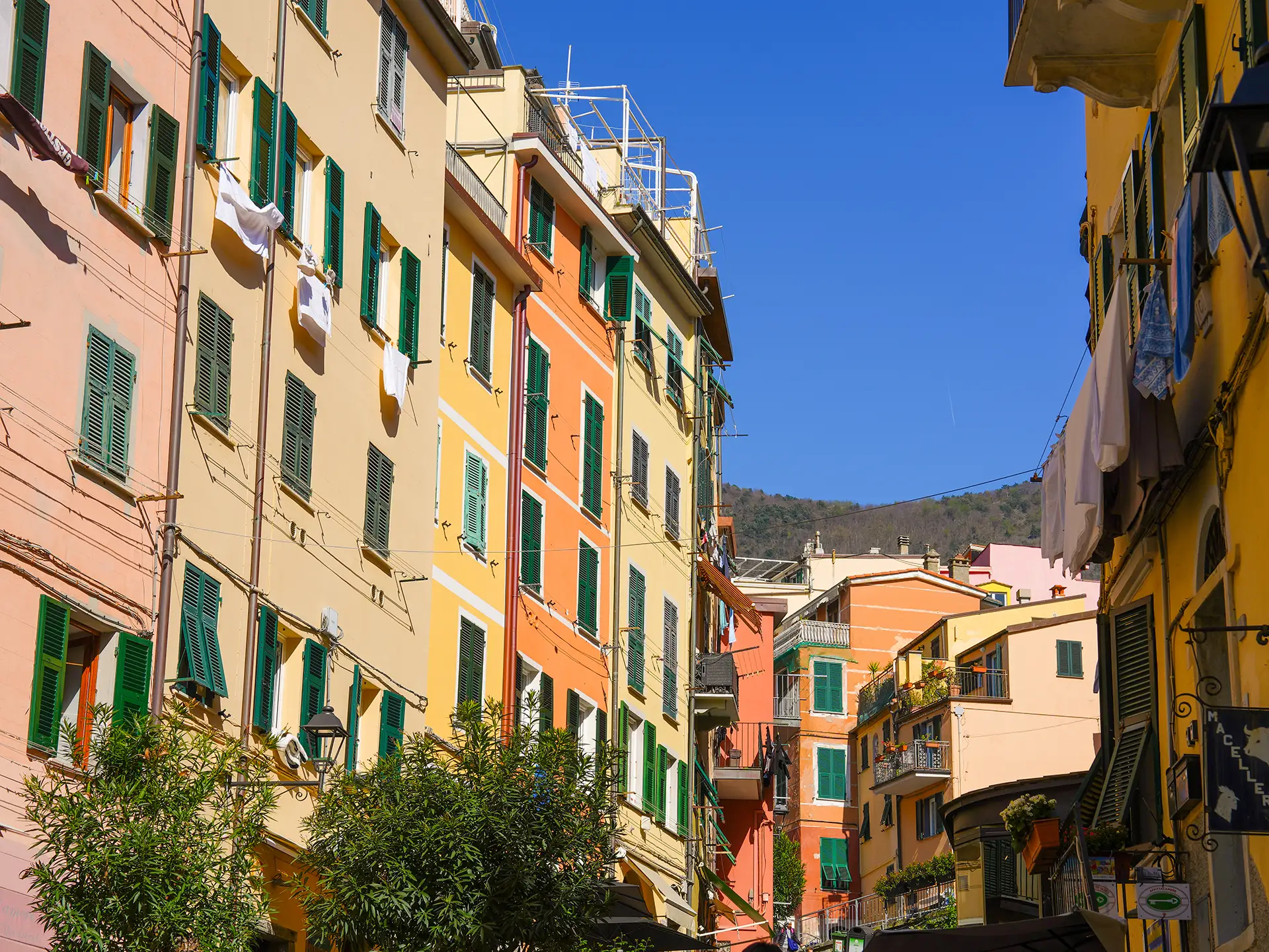
Of course, there are the iconic views: colourful houses overlooking the sea, small harbours, panoramic viewpoints, photographs that seem to tell everything in a single instant. But the most authentic side of the villages begins when you leave the most obvious route and step into the narrow lanes, stairways and small passages between the houses.
Here, the journey changes rhythm. It is no longer only about seeing “what there is to see”, but about letting yourself be guided by the details: a half-open door, a small votive shrine, a fishing net, an ancient wall, a tiny square, a climb that suddenly opens onto the sea.
Getting lost among the villages and hamlets means discovering Riomaggiore and Manarola as living places, not just destinations to photograph.
The houses follow the shape of the coastline, the lanes climb and descend, the stairways connect the sea with the upper parts of the villages, and every detour can become an unexpected viewpoint. This structure is precisely what makes exploring on foot an essential part of the experience.
Riomaggiore: lanes, stairways and the small harbour
Riomaggiore has a compact, vertical character. The village develops between the sea, the historic centre and the upper part of the settlement, with a network of lanes, ramps and stairways that constantly invite you to change perspective.
The small harbour is one of its most photographed places, but it is worth not stopping there. As you climb back towards the centre, the village reveals a more intimate dimension: shops, glimpses between the houses, small viewpoints, the Castle, the Church of San Giovanni Battista and the passages that connect the different levels of the village.
The advice is simple: choose a direction, then allow yourself a few detours. In Riomaggiore, the most interesting street is often not the most direct one.
Manarola: the scenic village
Manarola is often associated with its most iconic image: the village seen from Punta Bonfiglio, with its compact colourful houses standing above the rock. But Manarola is not just a postcard. Its story is closely linked to the coast, the sea, religious life and the agricultural tradition behind the village.
To experience it better, walk down towards the marina, cross the centre, climb towards the Church of San Lorenzo and pause where the village opens towards the sea or the cultivated slopes. Manarola should certainly be admired from the outside, but also crossed slowly, following its gradients and everyday passages.
Groppo: the small rural heart of wine
To truly understand the territory, you need to go beyond the coastal villages.
Groppo is one of the smallest localities in the Municipality of Riomaggiore. Its name comes from the Germanic word Krupp, meaning “cultivated hillside area”. The hamlet developed near the stream of the same name, which flows down towards the sea at Manarola, and can be reached by car, on foot or by bus.
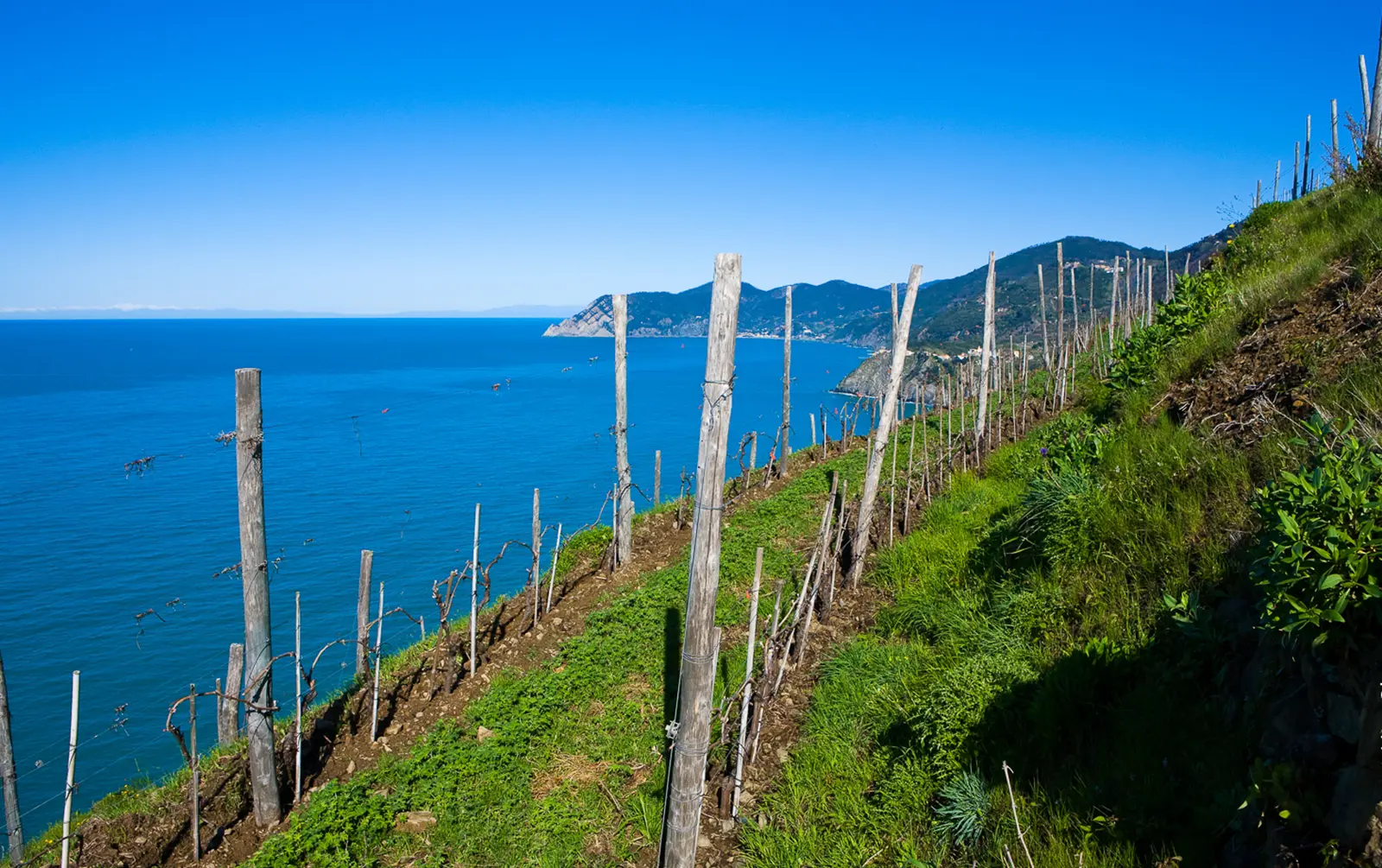
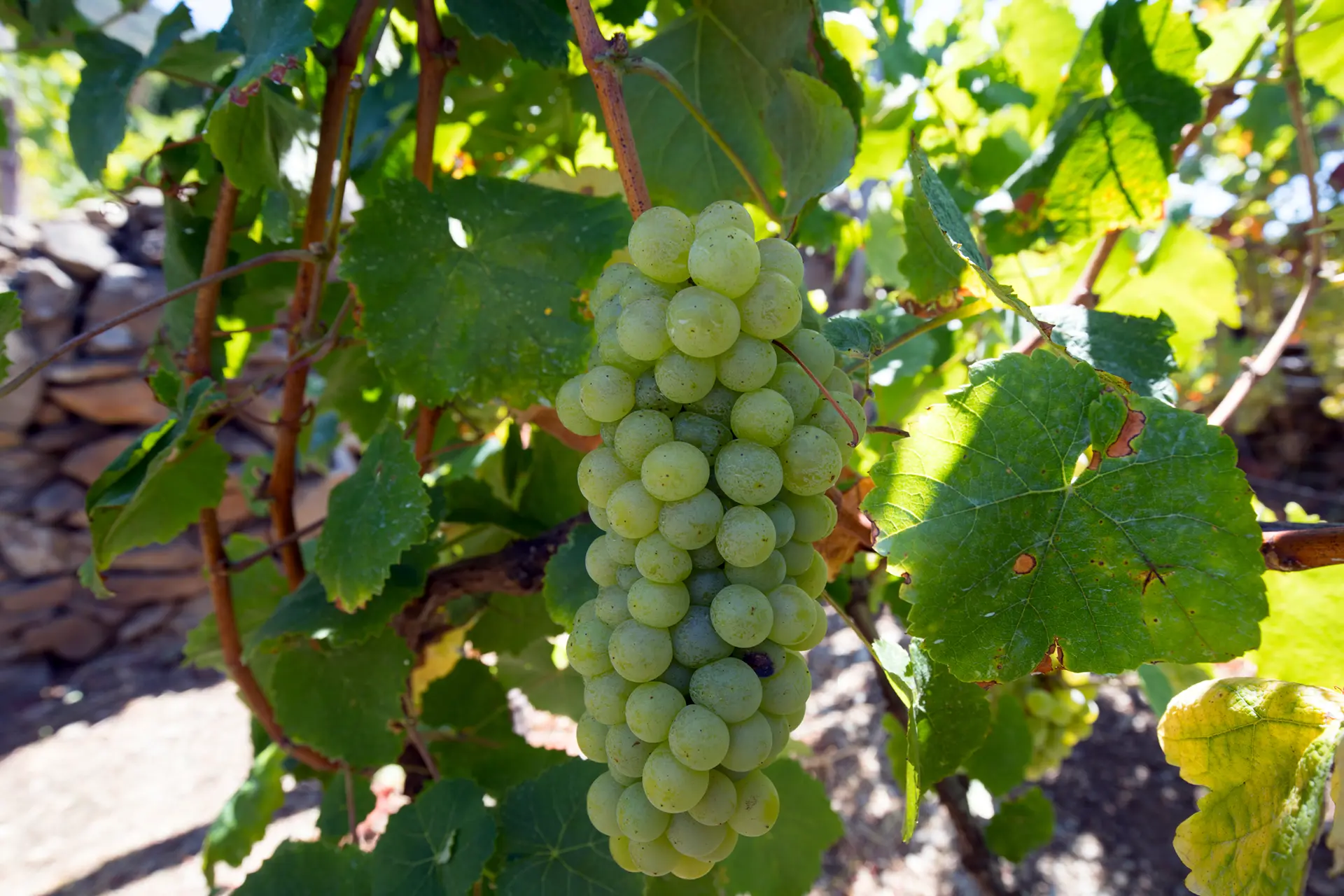
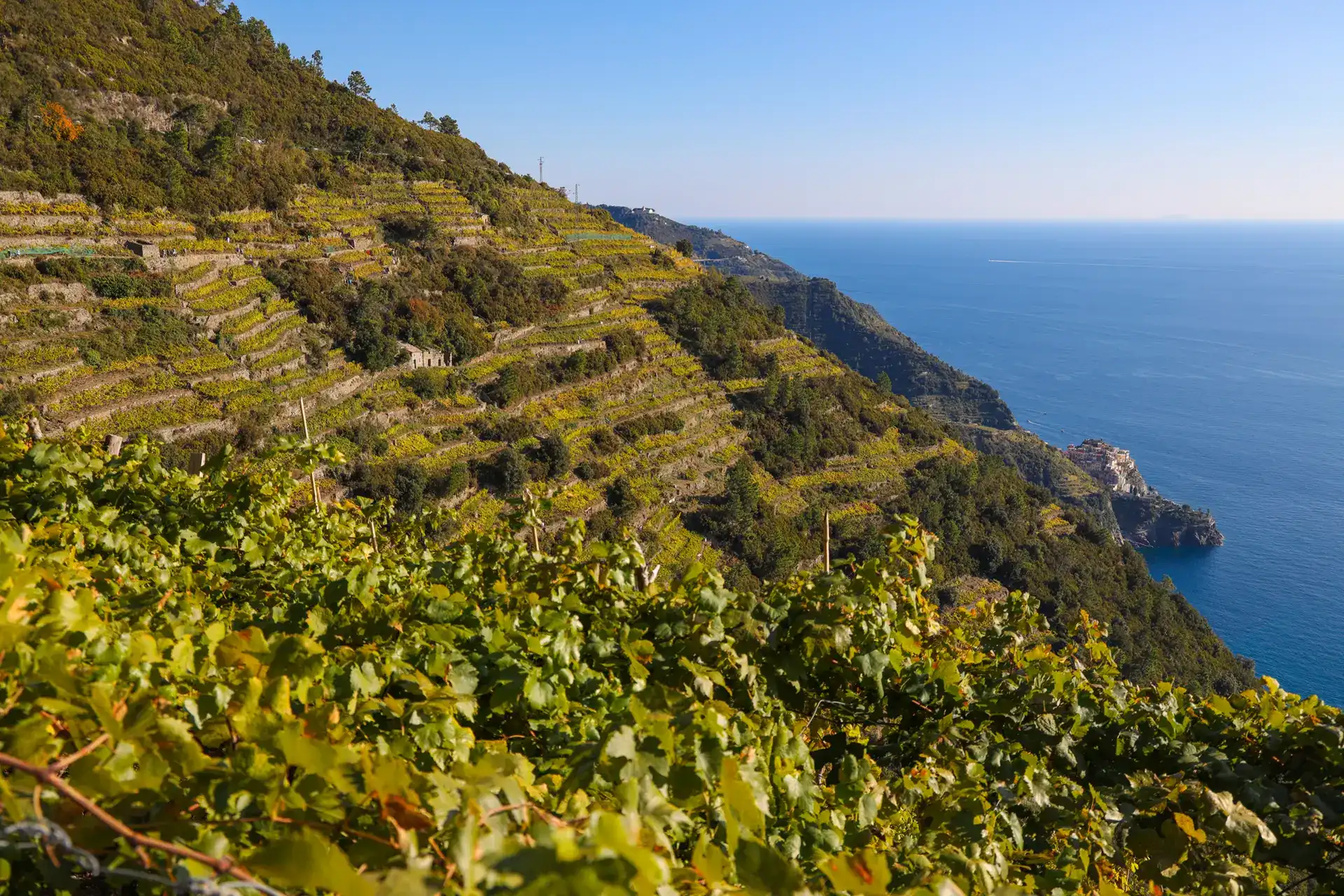
Here, the landscape changes: the sea is still present, but your gaze shifts towards vineyards, terraces and agricultural life. Groppo is also home to the headquarters of the Cinque Terre Agricultural Cooperative Winery, making it a particularly interesting place to connect a visit to the villages with the themes of wine and heroic viticulture.
This is not a stop to approach as just another “thing to see”. It is rather a place of passage and pause, useful for understanding that the Cinque Terre are not only coastline, but also cultivated inland areas, hamlets, trails and agricultural work.
Volastra: sanctuary, olive trees and terraces
Volastra is one of the most evocative hamlets for understanding the relationship between spirituality, agriculture and landscape.
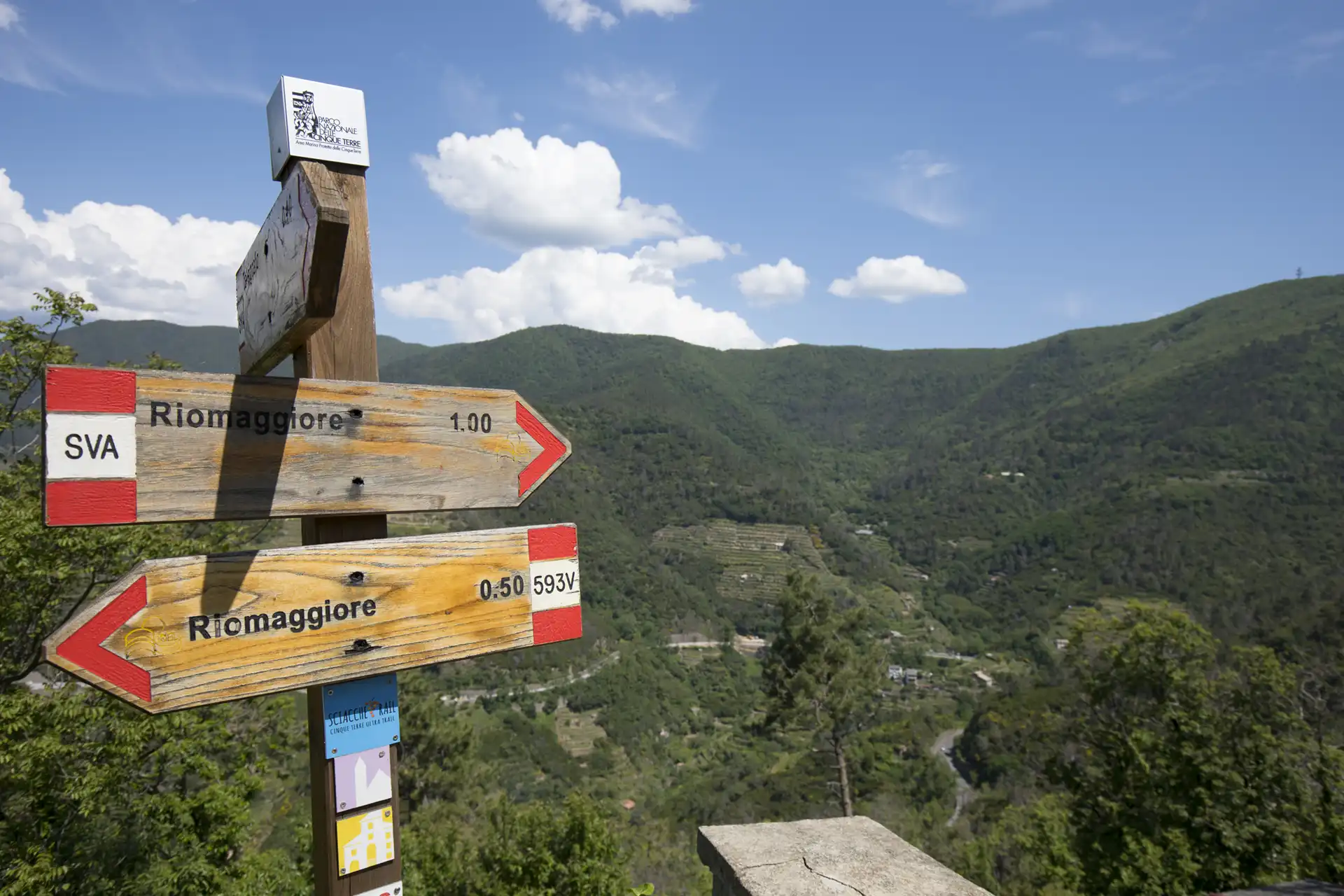
It lies above Manarola, in a higher and more panoramic position, and is connected to the network of trails linking the villages, sanctuaries and ridges. Trail 506 [link to trail page], for example, starts in Manarola, climbs the valley of the Groppo stream, passes through Piè di Fiesse and continues among olive groves and panoramic stretches towards Volastra and the higher trail network.
The heart of the hamlet is the Sanctuary of Our Lady of Health, an important stop along the network of Cinque Terre sanctuaries. Here, the rhythm is different from the coast: slower, more agricultural, more silent. Terraces and olive trees become the protagonists, while the sea is seen from afar, as part of a wider landscape.
Volastra is ideal for those who want to step away for a few hours from the pressure of the busier villages and experience a quieter, almost suspended dimension.
Who this experience is for
This experience is perfect if you love:
Authentic villages: because it allows you to go beyond the most photographed views.
Photography: not only panoramas, but details: doors, walls, stairways, laundry hanging in the sun, windows and votive shrines.
Local life: because it helps you perceive the villages as inhabited places, not just tourist settings.
Unplanned walks: it is ideal for those who prefer to explore calmly rather than follow a rigid itinerary.
Rural landscapes: Groppo and Volastra add the agricultural dimension of the Cinque Terre to your journey.
What to combine with this experience
A Ligurian breakfast
If you are staying in the villages, treat yourself to a slow breakfast: focaccia, cappuccino, a bakery open early, a walk as the village wakes up. It is one of the simplest ways to feel the local rhythm.
A panoramic sunset
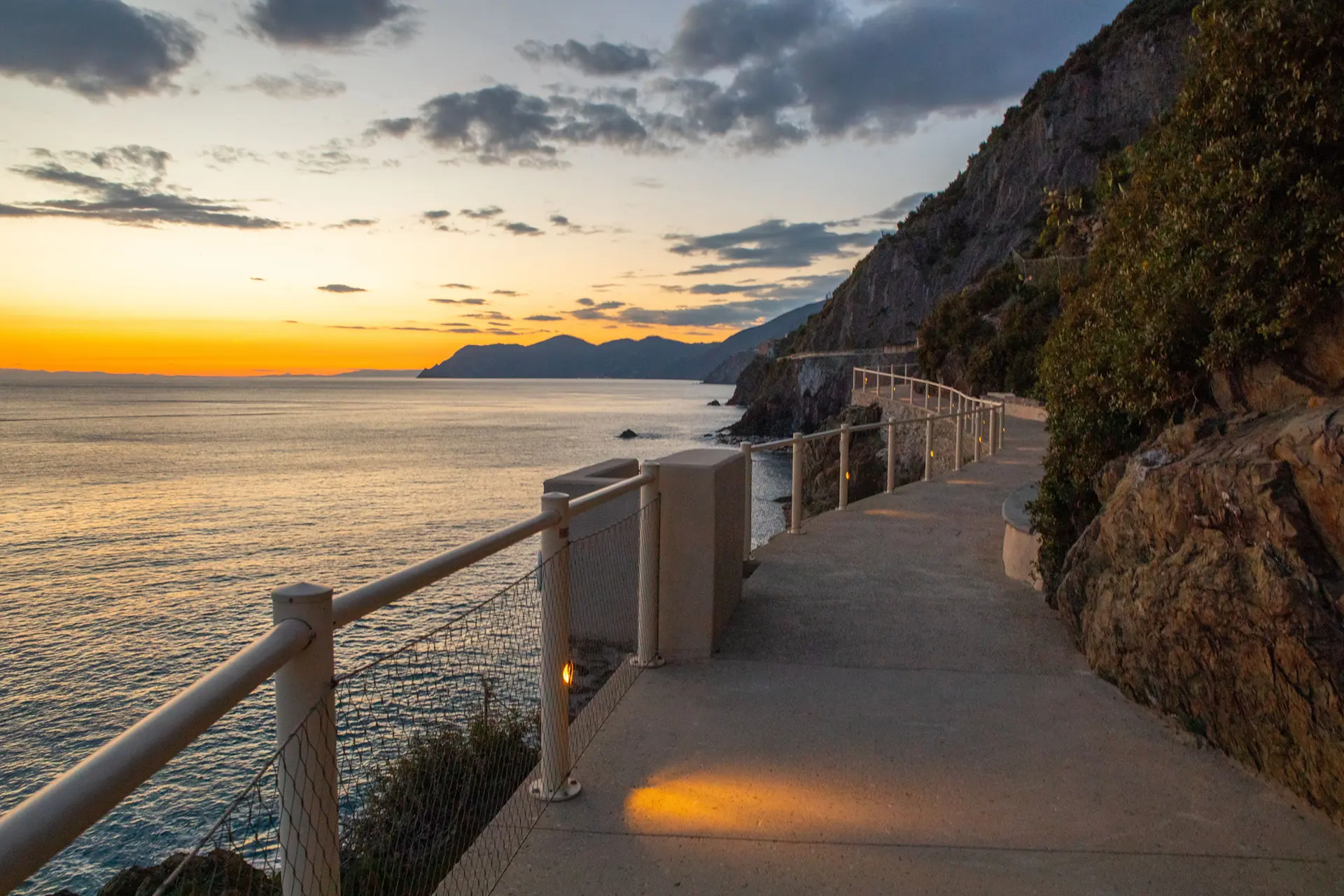
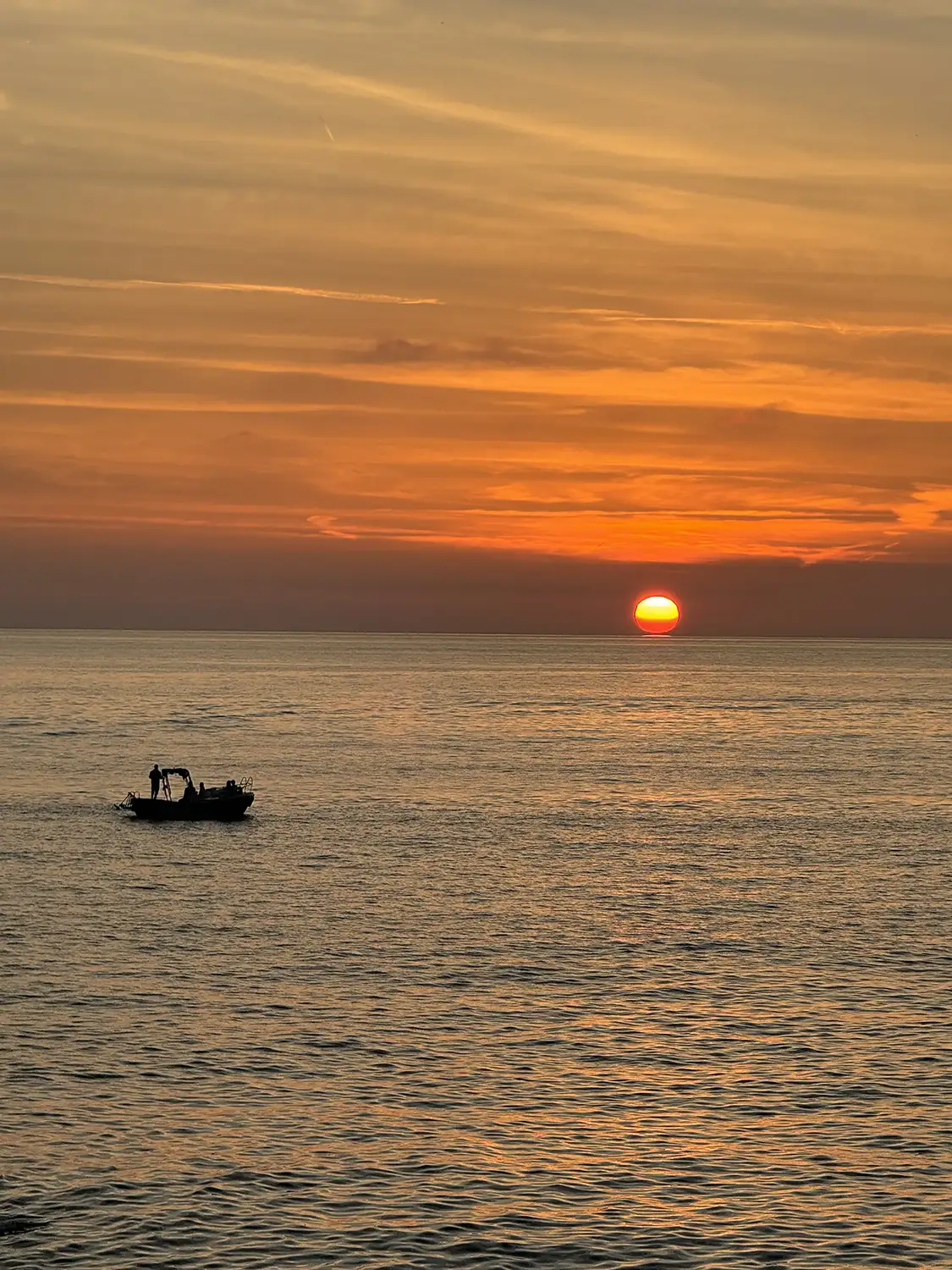
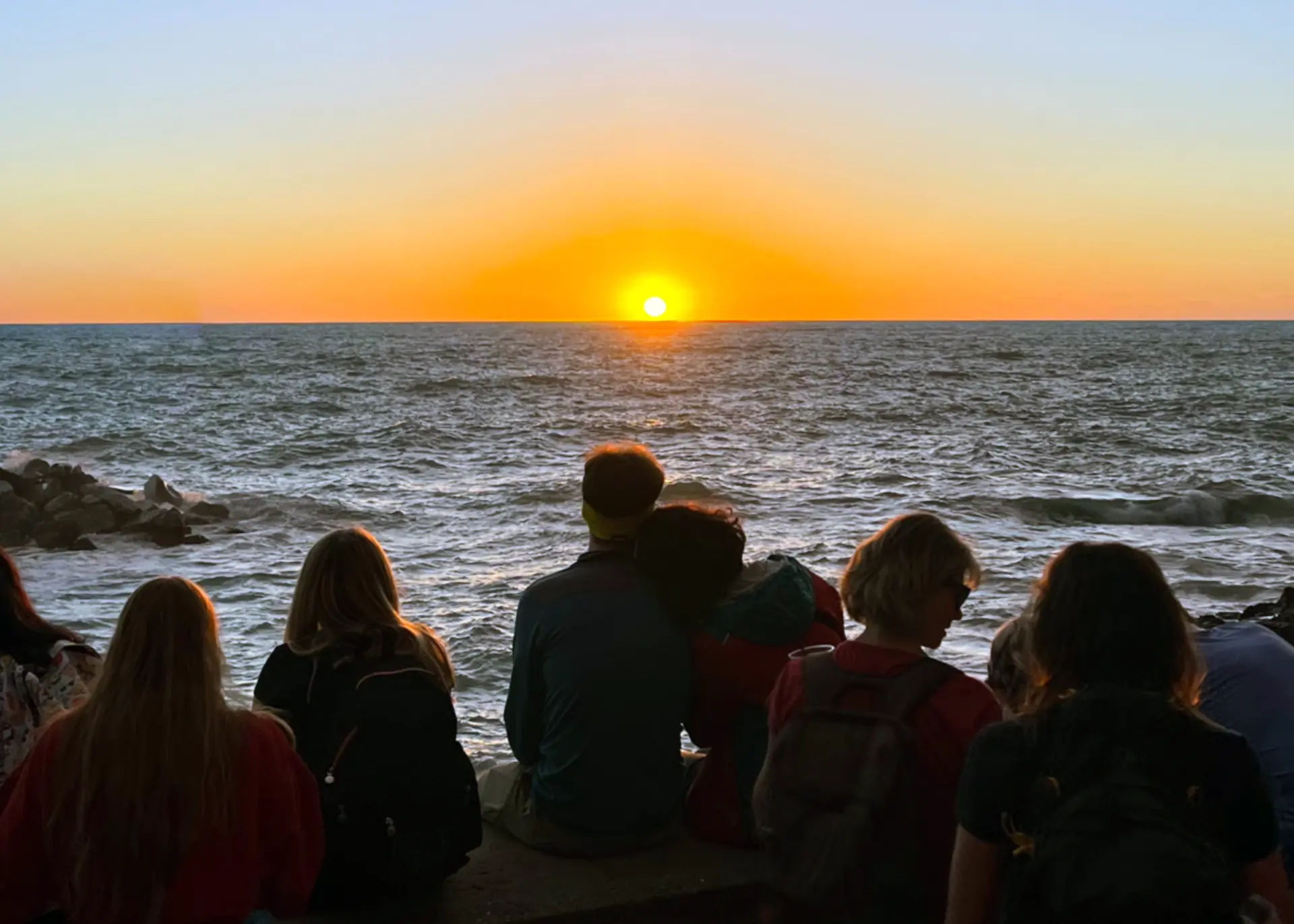
After wandering through the lanes or climbing towards the hamlets, stop for sunset: Punta Bonfiglio, Riomaggiore Castle, Montenero or the higher trails offer different perspectives on the landscape. Discover more
Practical tips
Wear comfortable shoes: even without hiking, the villages are made of climbs, descents and stairways. Bring water, especially in summer, and do not underestimate the gradients: even an urban walk can become intense.
Respect inhabited spaces: many streets are part of everyday life, not just tourist routes. Avoid excessive noise, do not stop in front of private entrances, and do not photograph people or private property intrusively.
If you go up towards Groppo or Volastra, check bus timetables, walking times and trail conditions, especially if you plan to return in the late afternoon.
The slow rhythm is not only a more pleasant way to travel. It is also a more respectful way to inhabit, even for just a few hours, a fragile and much-visited territory.
The best advice is to alternate coast and hillside: first the harbour and the lanes, then a climb towards a viewpoint or a hamlet. In this way, the journey becomes more complete: you see the village, but also what supports it from behind.
Truly getting lost among the villages takes time. And the best time often comes after the day-trippers have left.
Staying overnight in Riomaggiore or Manarola allows you to experience the villages at their most beautiful hours: early in the morning, when the lanes are still quiet; in the evening, when the lights come on and the rhythm slows down; after dinner, when the sea can be heard more clearly and the village returns to a more intimate dimension.
In addition, guests staying in an accommodation facility within the Municipality of Riomaggiore can receive the Riomaggiore Guest Card, designed to offer dedicated benefits to overnight visitors and to encourage a slower, more conscious visit.