
Manarola Mill, or Piè de Campu Mill


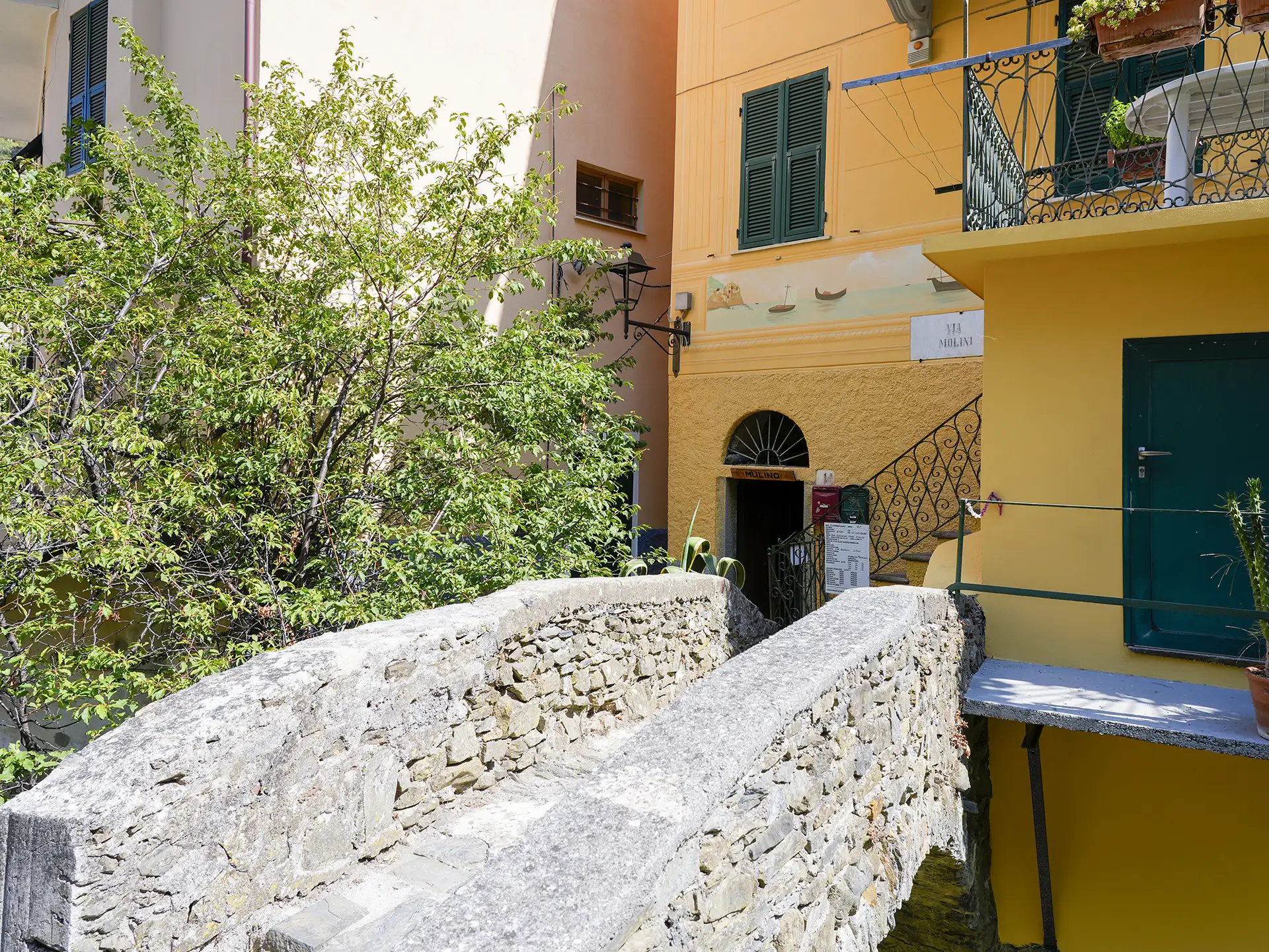
The Piè de Campu Mill is located in the upper part of Manarola, along the Groppo stream, in an area that still preserves traces of the historic agricultural landscape of the Cinque Terre. It is one of the most interesting places for understanding the relationship between everyday life, agriculture and community organisation in the area.
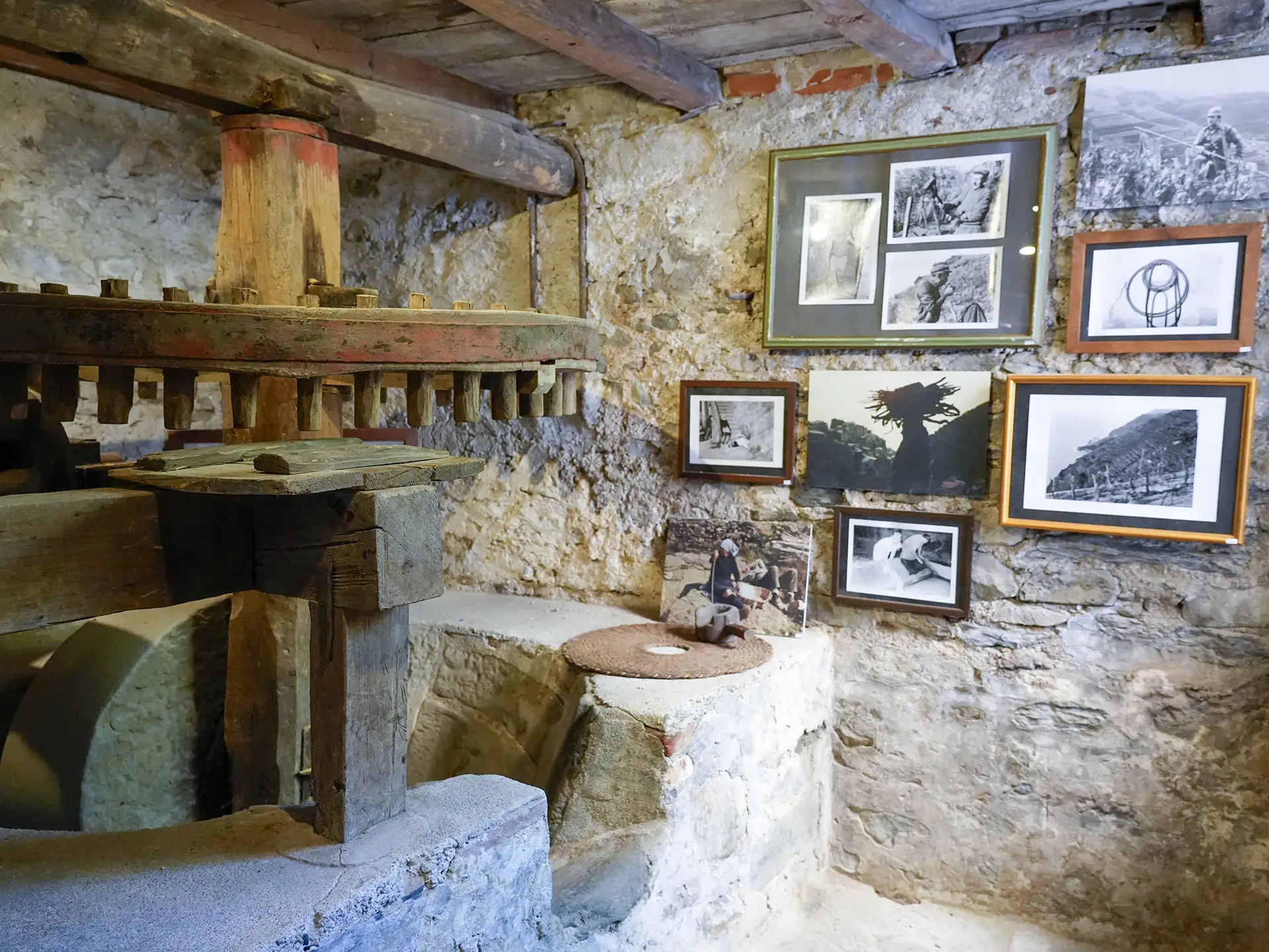
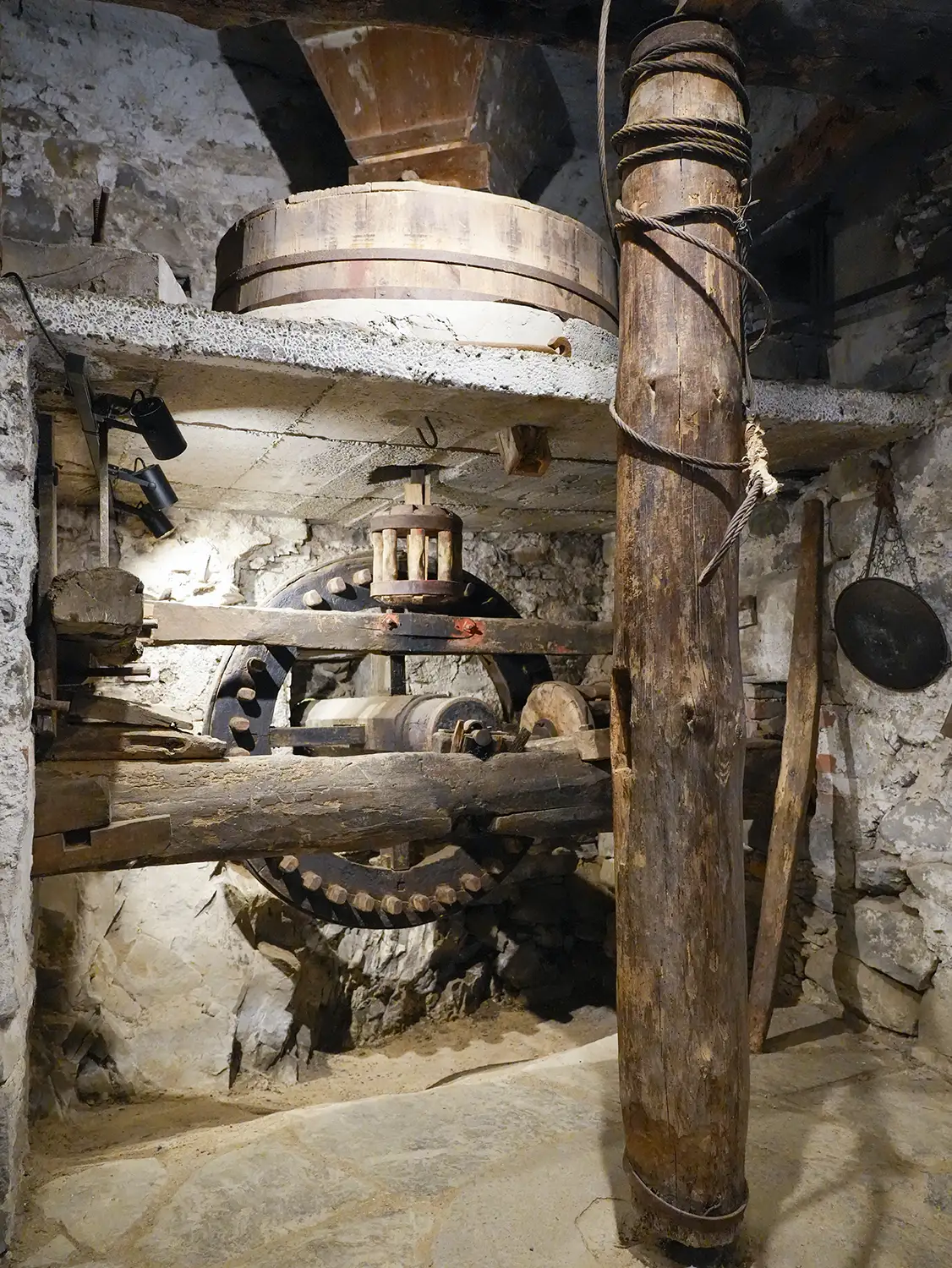
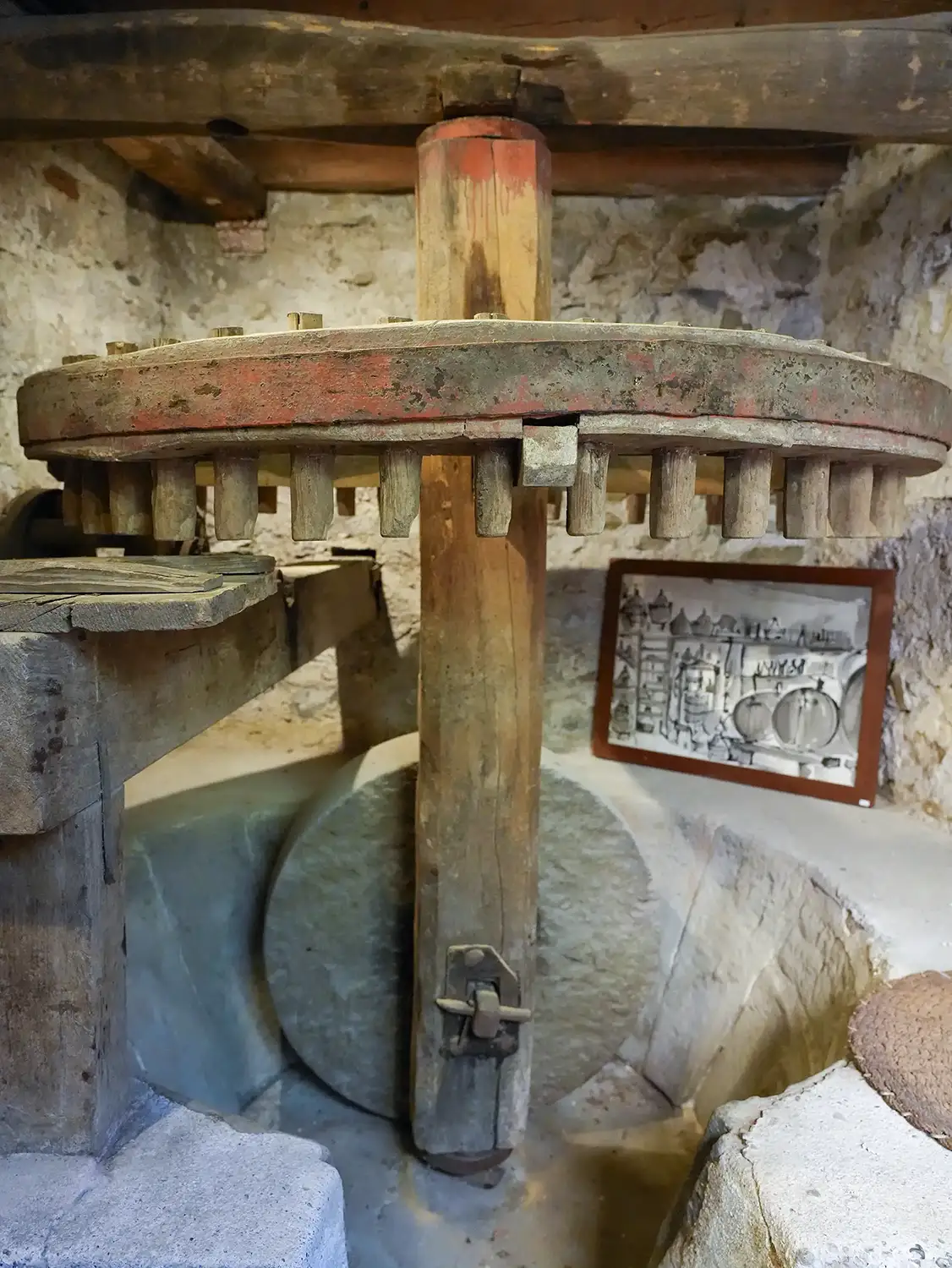
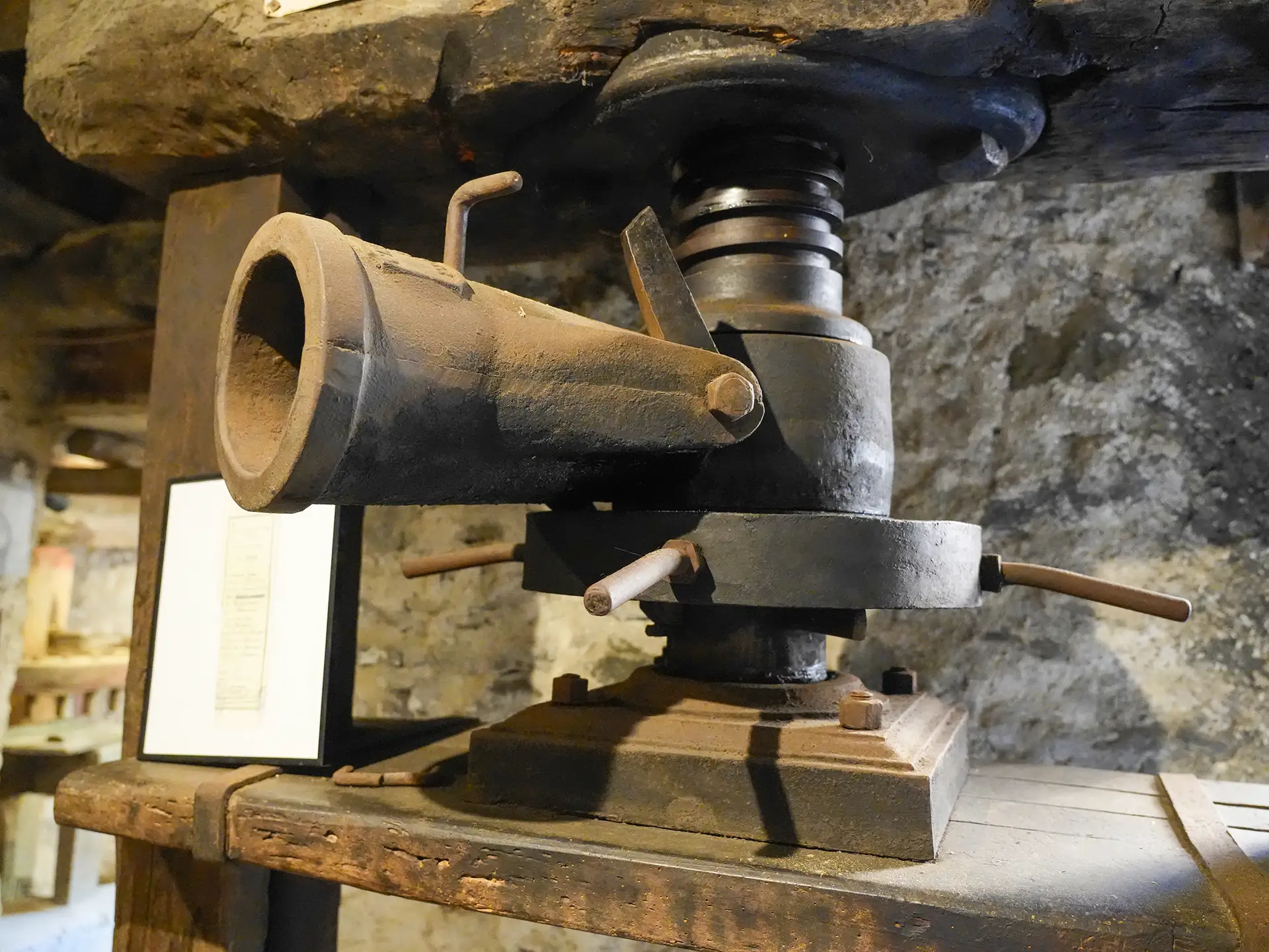
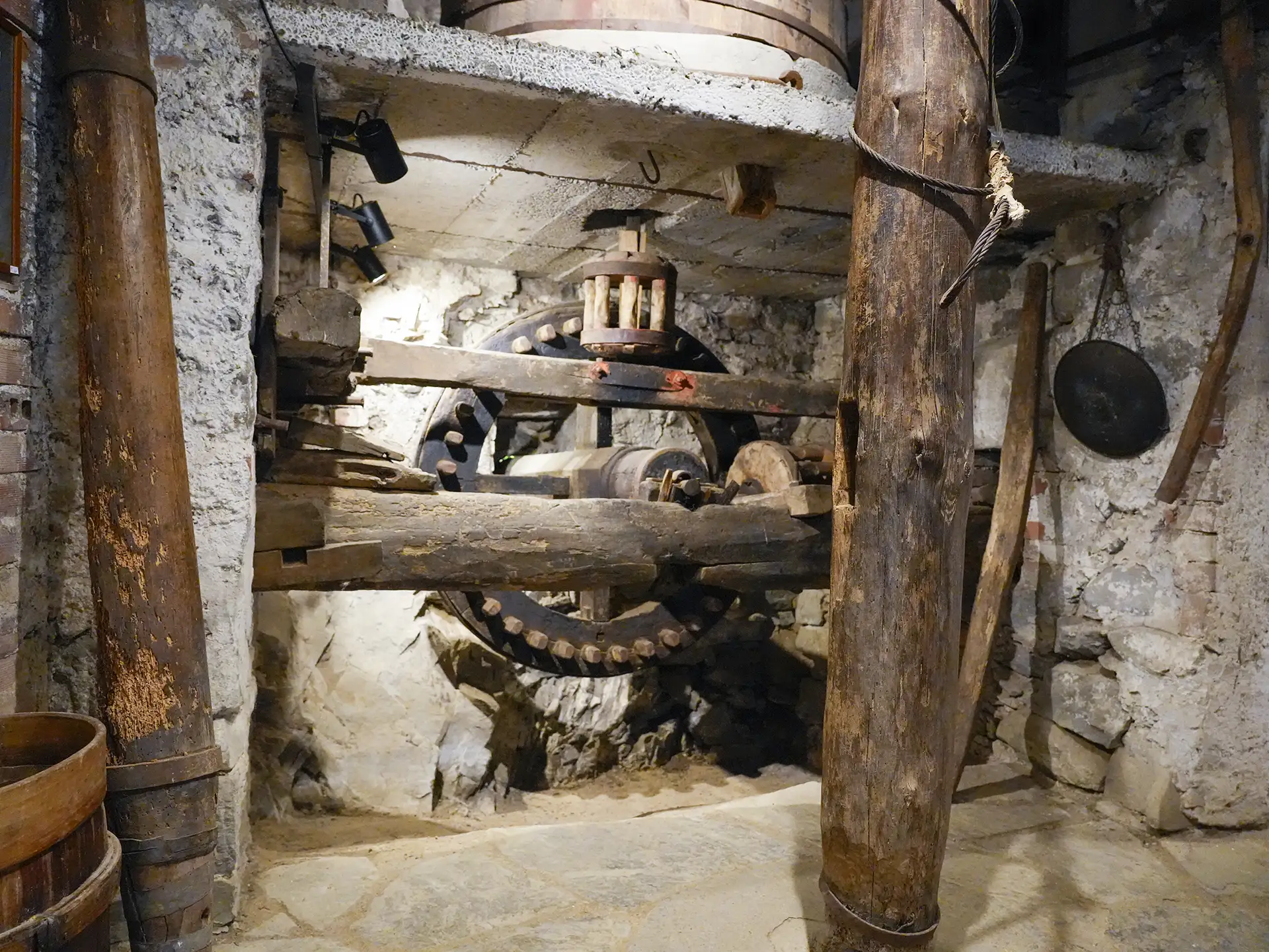
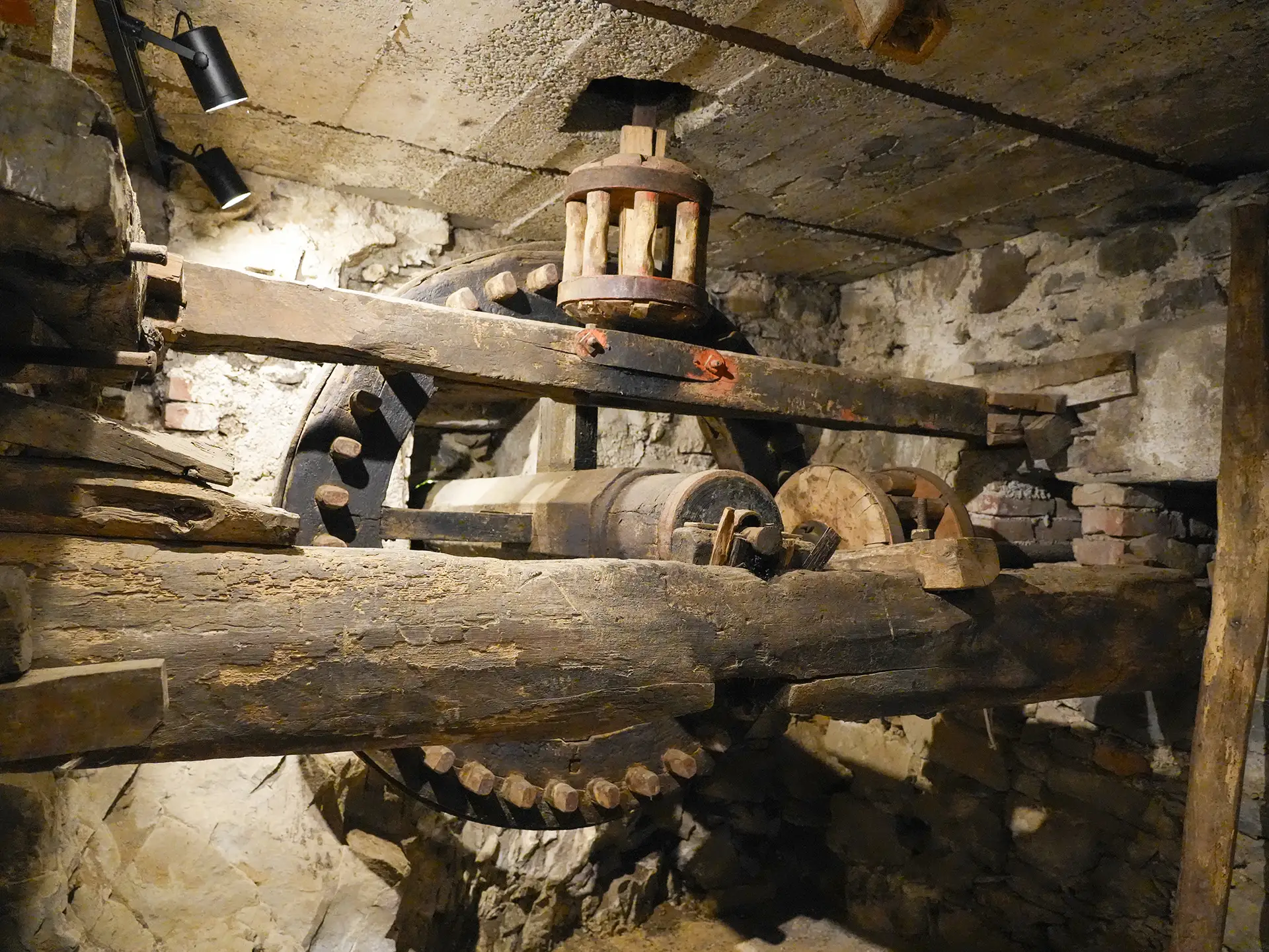
The presence of the mill is documented at least as early as 1643 and it represented a fundamental point for the local community: cereals were ground here and olives from the surrounding terraces were processed, both essential activities for the agricultural economy of the Cinque Terre. The structure used water diverted from the Groppo stream through a hydraulic system that powered the internal mechanisms.
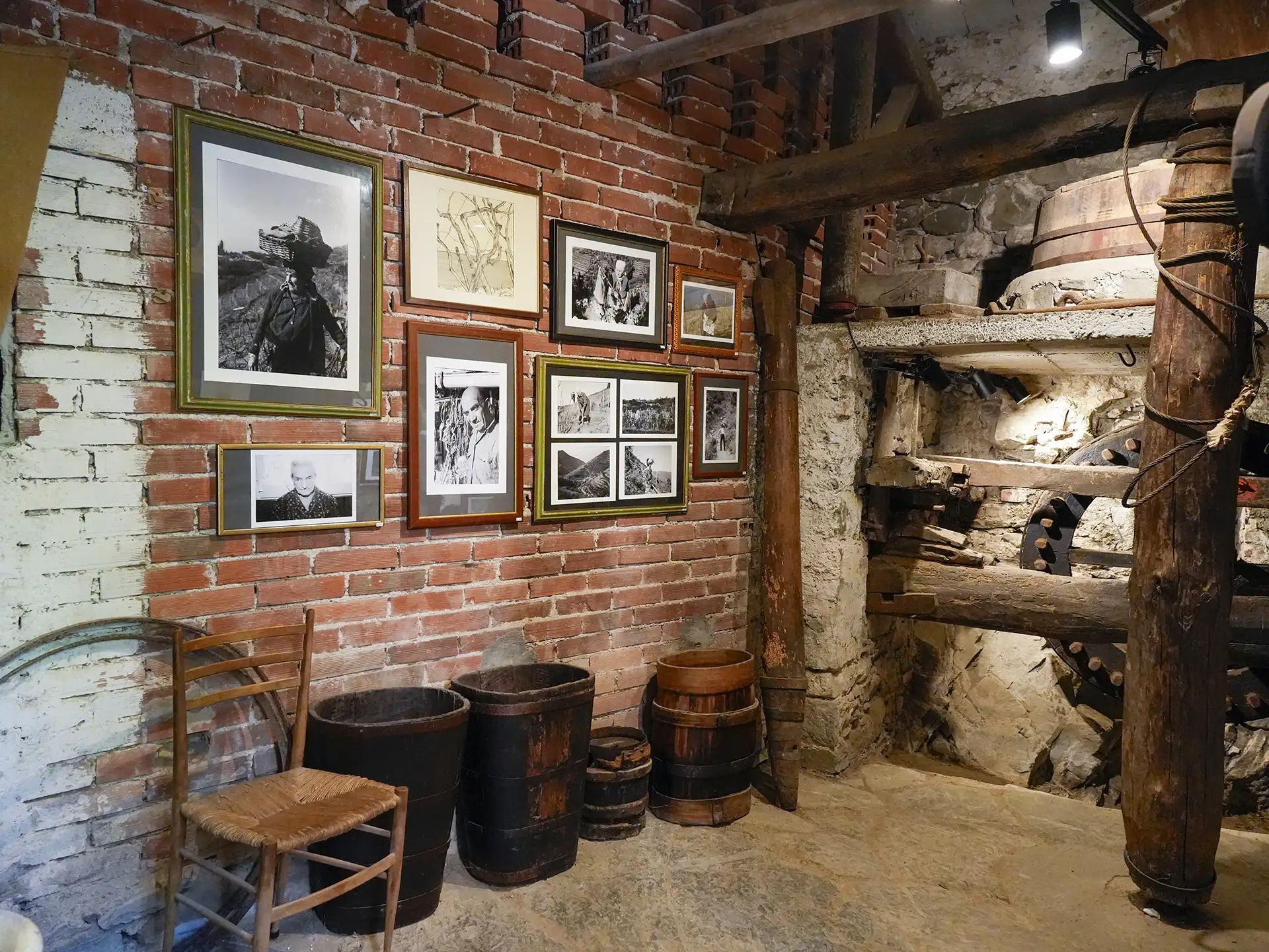
The building visible today, with its millstones and large olive press, largely dates from the 1920s, when the mill was renovated by its last owner, Giuseppe Barani, who had emigrated to Chile and later returned to Manarola.
The mill remained active until 1963, then went through a long period of abandonment. In recent years it has been restored thanks to the commitment of the cultural association “Radici” and to protection and enhancement initiatives that have allowed it to reopen to the public. Since 2020, it has also been protected by the Soprintendenza Archeologia, Belle Arti e Paesaggio.
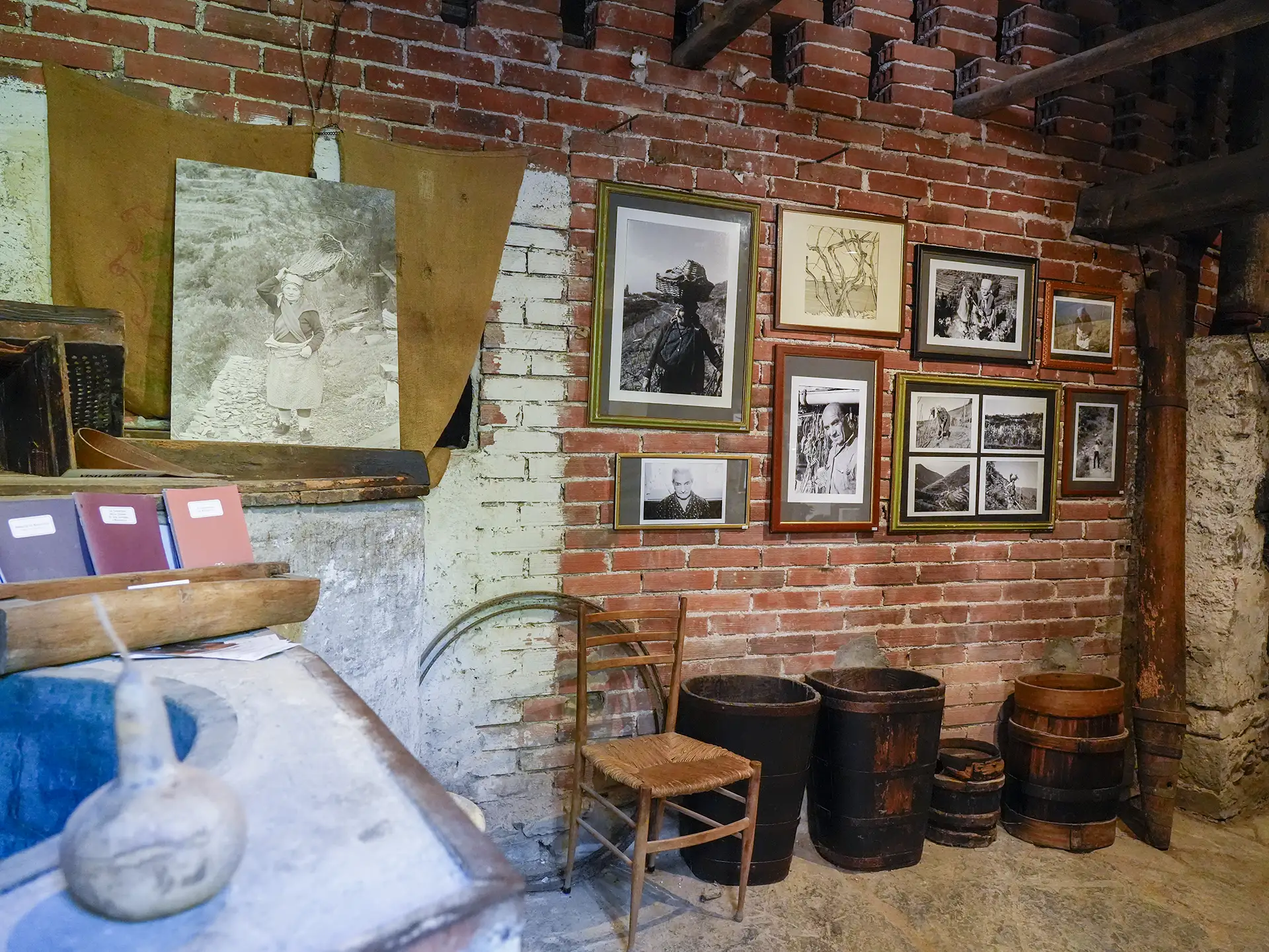
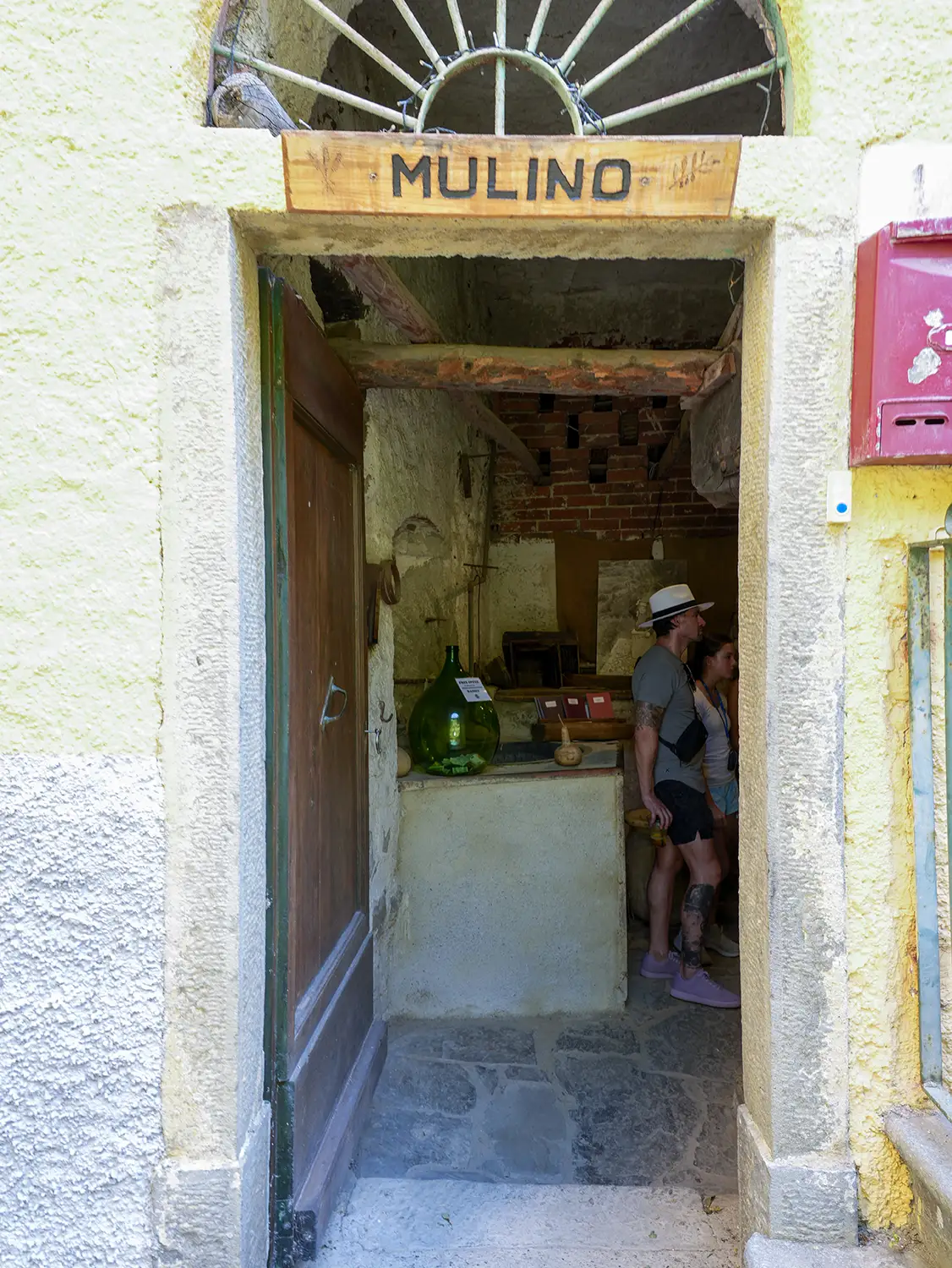
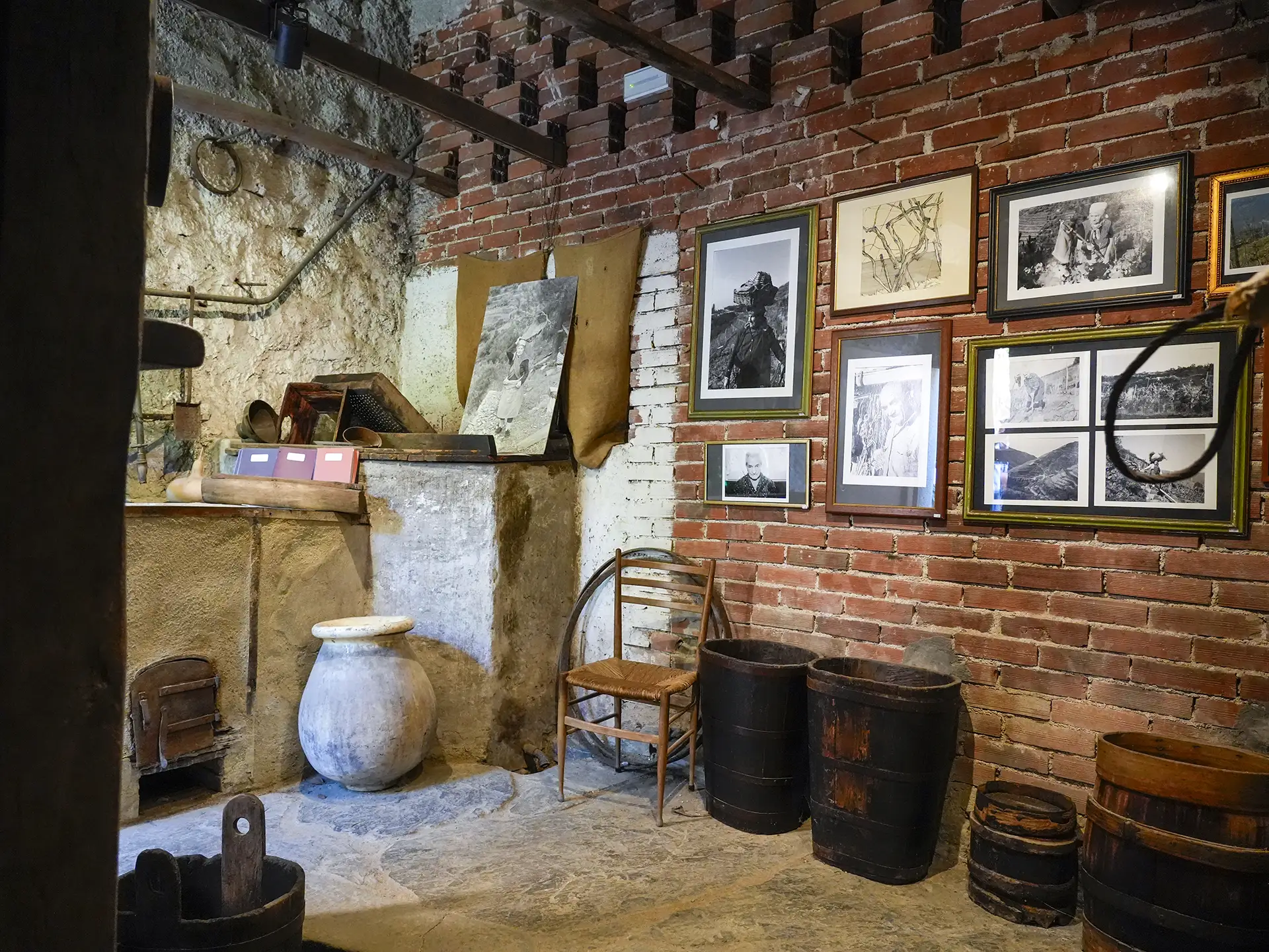
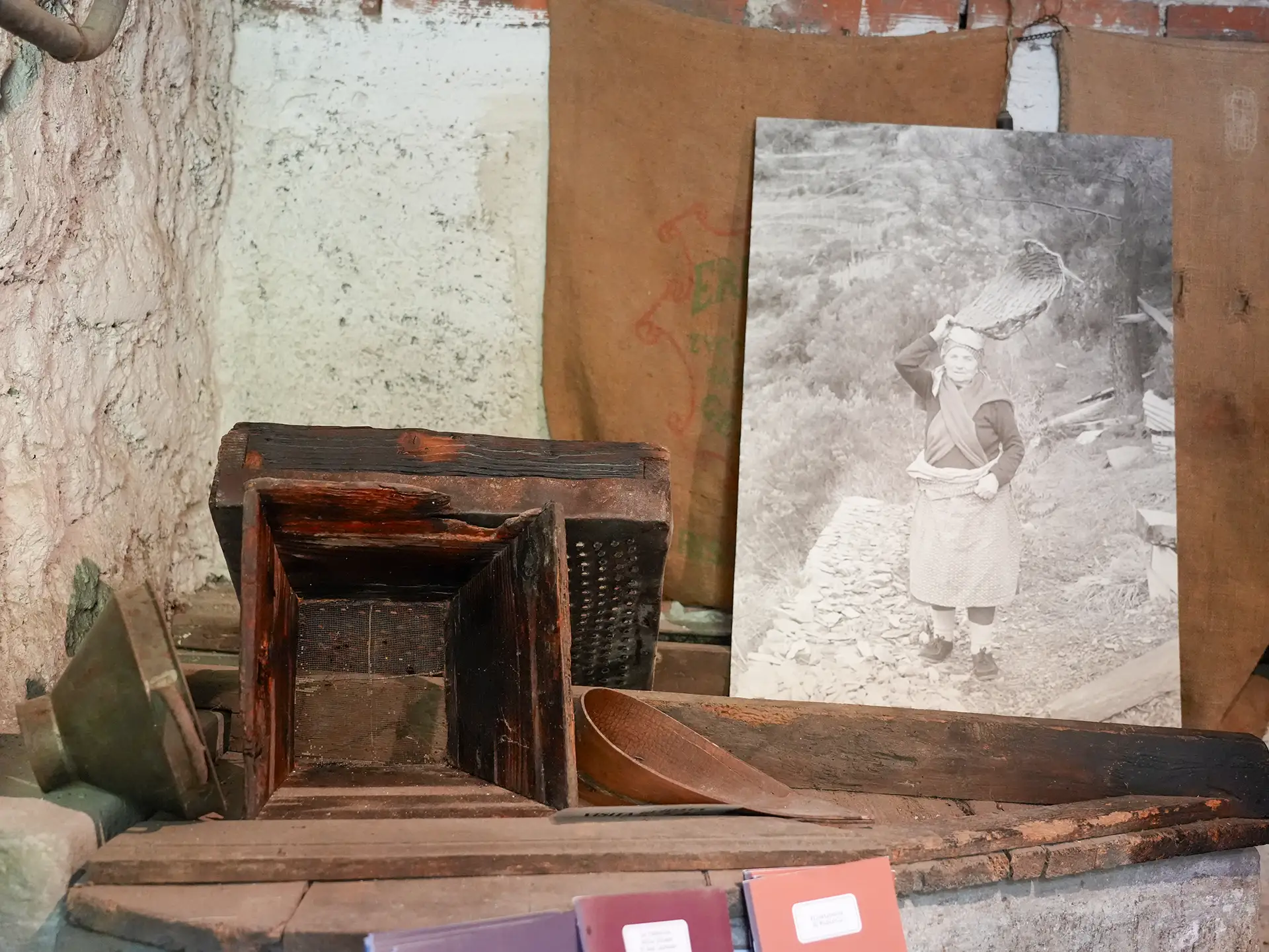
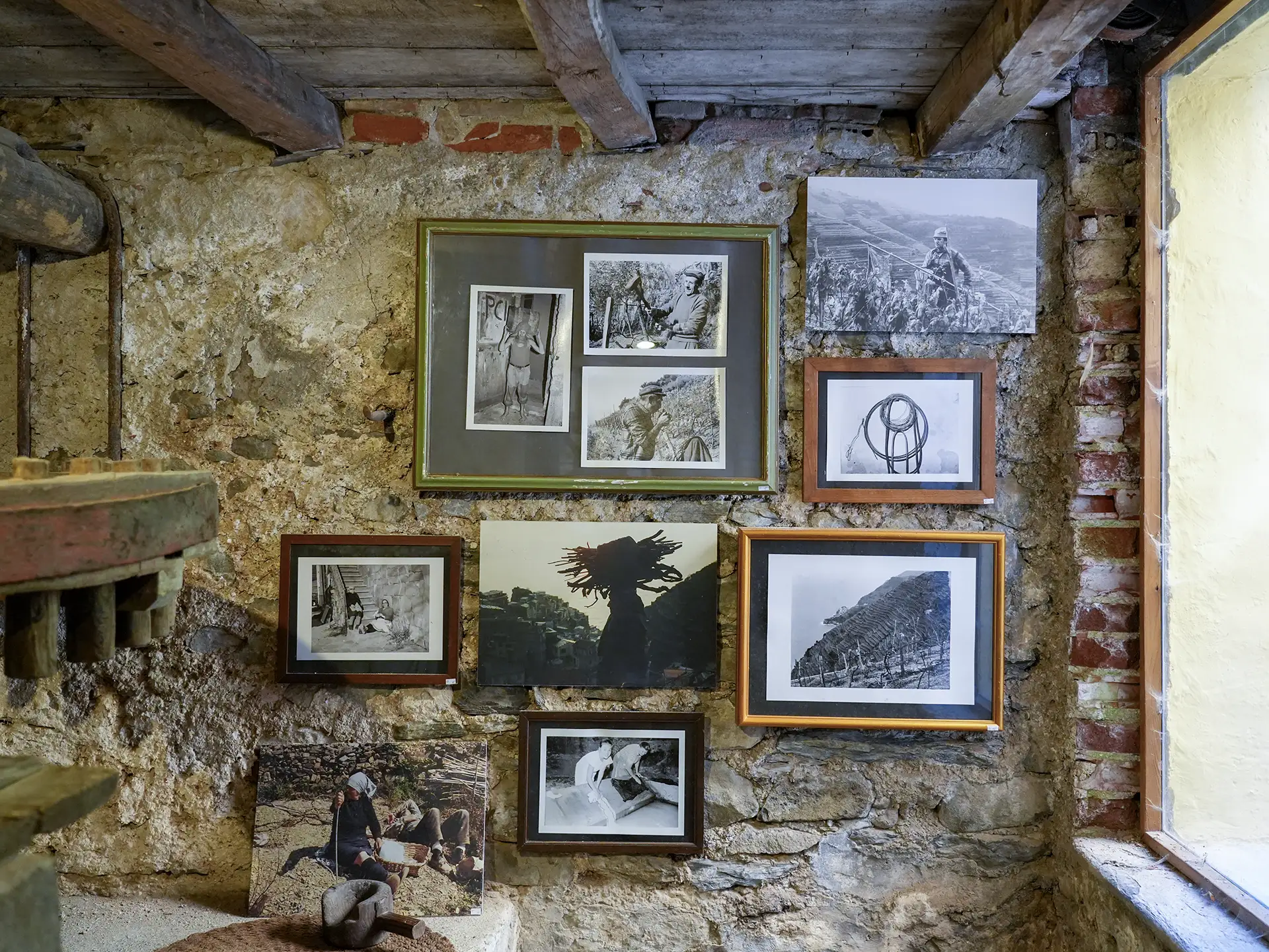
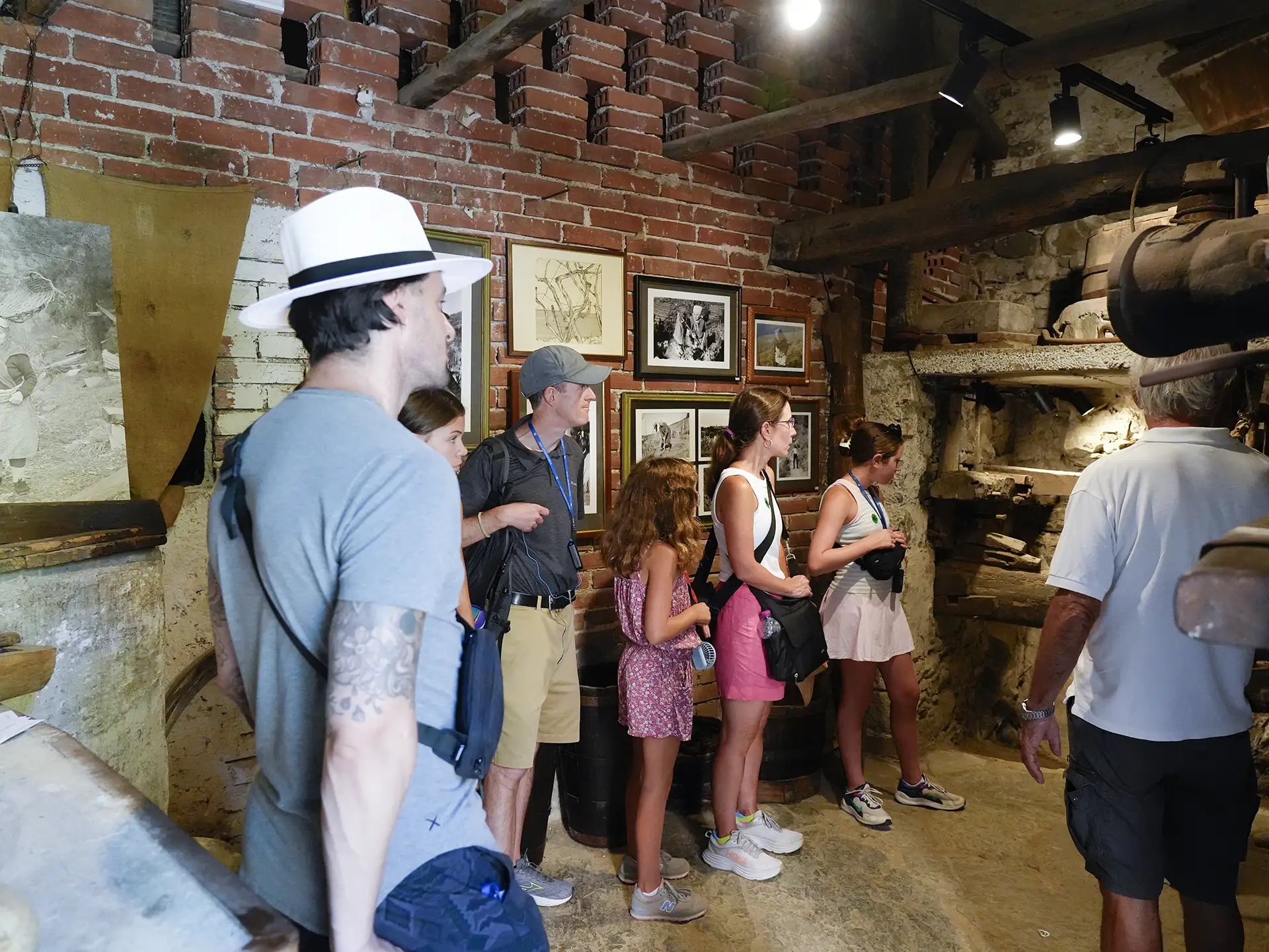
Today, the Piè de Campu Mill is a technical testimony to the ancient milling activity, but above all it tells of a way of life linked to the rural civilisation of the Cinque Terre. Here, agricultural work, social relationships and daily life converged. Visits allow you to observe the historic mechanisms up close, see the tools used to process cereals and olives, and learn more about the role these places had in the local community.
Its position, slightly away from the main tourist routes, makes the mill a particularly interesting stop for those who want to discover the more rural and authentic side of Manarola. Nearby, trails climb towards Volastra and the cultivated terraces, connecting the village with the agricultural landscape that ensured its survival for centuries.
Useful info
Openings and guided visits may vary depending on the season, organised events and the availability of volunteers or the bodies involved in management. We recommend checking for updates before your visit.
How to reach us
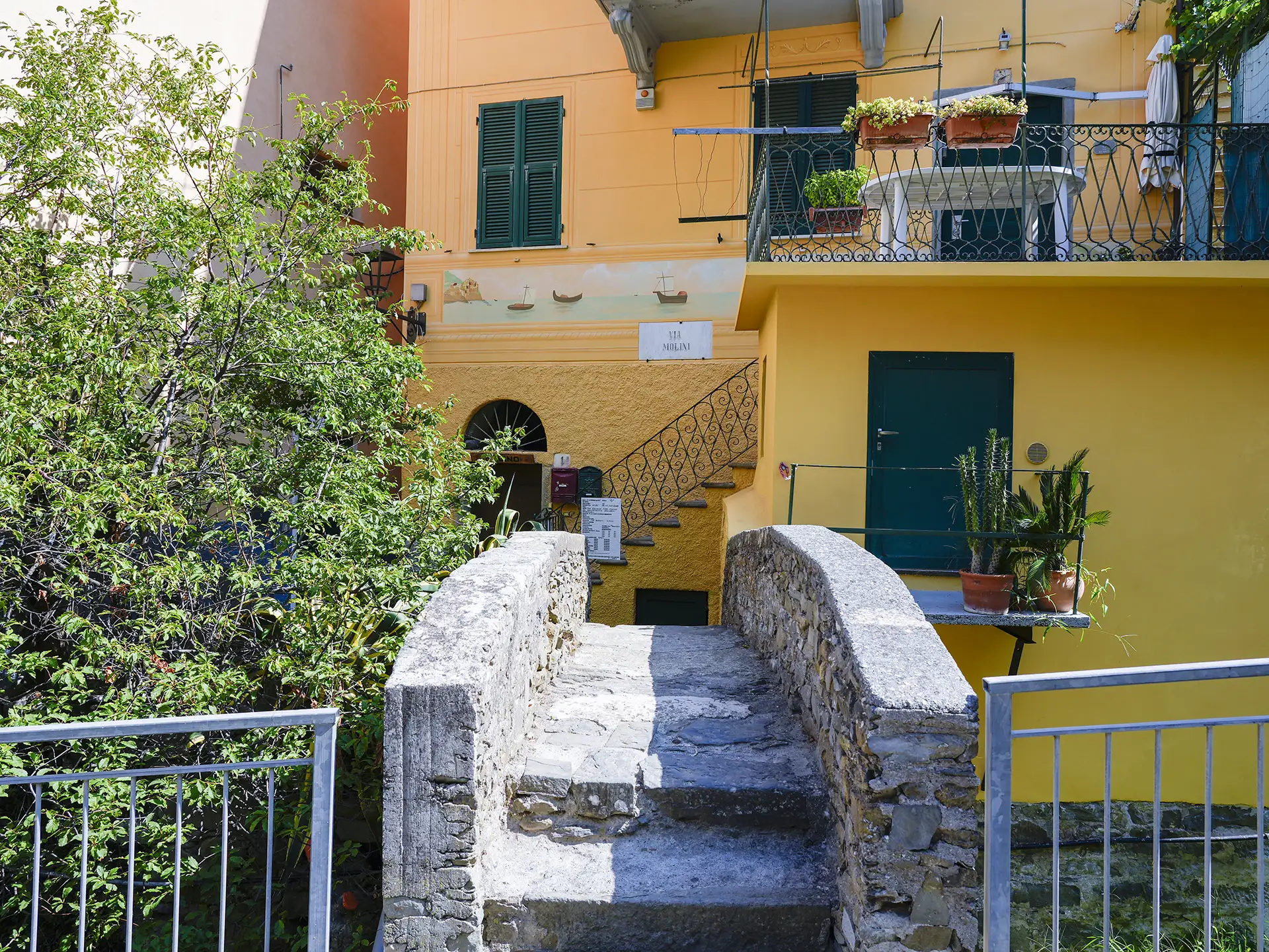
It can be reached easily on foot from the railway station in about 10-15 minutes: after walking through the pedestrian tunnel, follow Via Discovolo towards the upper part of the village and follow the signs for Piè de Campu.
Photogallery
SHARE
Note
A cultural site linked to rural heritage. If open to visitors, it operates year-round.